Some cars are remembered long after their engines stop running. The Porsche 911 and Aston Martin have become more than sports cars—they represent decades of engineering, racing, design and British and German automotive culture. But in an age when specifications, photographs and driving videos are instantly available online, why do enthusiasts still turn to carefully researched books to understand these machines? The answer lies in the stories behind the cars, and why they mattered in the first place.
Why Some Cars Become More Than Cars
A man may remember the first car he ever drove, the sound of its engine or the moment he first saw a Porsche or Aston Martin in a magazine. But decades later, what makes certain cars remain unforgettable is rarely just their horsepower, styling or price. Some cars become symbols of something much larger.
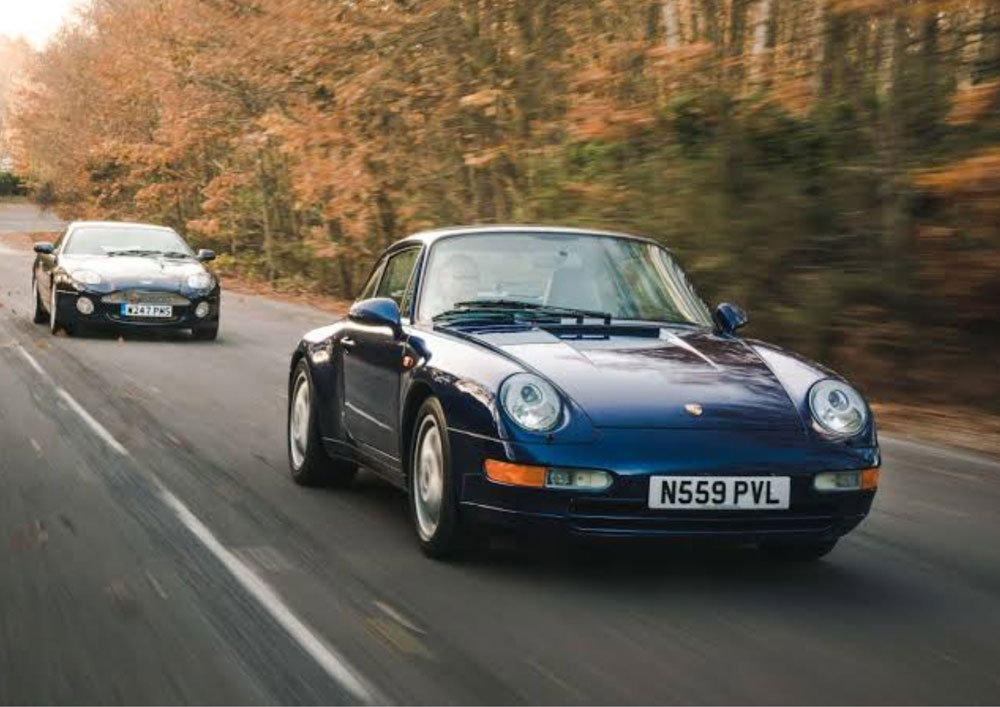
The Porsche 911 is a remarkable example. Across generations, its shape and identity have remained recognizable while the engineering underneath has continued to evolve. Aston Martin tells a different story, combining British luxury, distinctive design and a racing heritage that has become part of the marque’s identity.
Behind both are stories about far more than automobiles: designers and engineers, racing drivers and manufacturers, technological breakthroughs, business decisions and changing ideas about what a sports car should be.
That is why books devoted to these cars are more than collections of beautiful photographs. The best automotive books act almost like archives, preserving details about production, racing history, special versions and the people who helped create them. Hemmings’ selection of books devoted to Porsche 911s and Aston Martins reflects this broader approach, exploring the histories behind cars that have become cultural icons.
For enthusiasts, the question is therefore not simply what a particular car looked like or how fast it could go. It is why that car mattered—and why people still care about it decades later.
What makes a car important enough that one book is not enough to tell its story?
A Porsche 911 or an Aston Martin can tell you a lot just by looking at it—but the real story is often hidden beneath the design. Watch the video below for a closer look at what makes these cars so memorable to generations of enthusiasts:
The Porsche 911: One Shape, Decades of Stories
How Does One Basic Shape Survive for Generations Without Becoming Ordinary?
Some cars change so dramatically from one generation to the next that their predecessors become difficult to recognize. The Porsche 911 took a very different path. Its shape has evolved for decades, yet it has remained instantly recognizable, while the engineering underneath has continued to change.
Since its introduction, the 911 has combined an unusual rear-engine layout with a flat-six engine and a design philosophy that allowed the car to move between everyday road use and serious competition. Hemmings describes it as a sports car full of apparent contradictions: familiar in shape, technically progressive and still unmistakably a 911.
That long evolution is one reason the 911 has generated such an enormous amount of literature. One book reviewed by Hemmings focuses on five decades of limited-production and racing-inspired 911s, ranging from the early 911 R to the 991 R, while also covering Carrera and GT3 models. Rather than simply cataloging specifications, the book places these cars within their historical and racing context.
Why Enthusiasts Keep Studying the 911
There has never really been just one 911. There are early cars, Carrera RS models, Turbos, GT3s and numerous racing derivatives, with each generation reflecting a different period in Porsche’s history.
That continuity is part of the fascination. The basic identity remains recognizable, but the technology, performance and purpose keep evolving. For collectors and historians, that creates an unusually deep story to follow.
There is another remarkable sign of the 911’s longevity: Porsche has estimated that roughly two-thirds of the sports cars it has ever built are still on the road.
Perhaps that is why the 911 is more than an old sports-car design. It is an automotive story that keeps adding chapters without losing its original character.

Aston Martin: Where the Car Becomes Part of British History
What Looks Like a Beautiful British Grand Tourer Can Also Be the Product of Decades of Racing Ambition
If the Porsche 911 represents a particular kind of German engineering evolution, Aston Martin tells a different story. Its identity has long been tied to British luxury, elegant design and the competitive world of motorsport.
That history comes into focus in Andrew Noakes’s Aston Martin DB: 70 Years, a book reviewed by Hemmings that examines seven decades of Aston Martin production under the long leadership of David Brown. The book gives considerable attention to landmark road cars including the DB2/4, DB MkIII, DB4, DB5 and DB6. It also includes more than 250 photographs and illustrations drawn from the Aston Martin Heritage Trust archives.
But the book’s story is not limited to the cars that became famous on public roads. One of its most interesting sections, “Designs on Victory,” examines Aston Martin’s competition machines, including the DB3, DB3S and the Le Mans-winning DBR1.
Why the Racing Story Matters
It is easy to look at an Aston Martin and see luxury, craftsmanship and beautiful proportions. The racing history reveals another side of the marque.
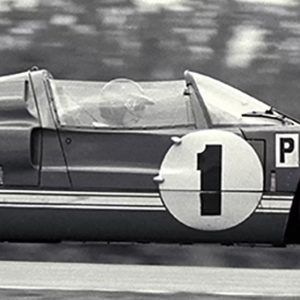
The DB3 and DB3S were developed for competition, while the DBR1’s success at Le Mans became an important part of Aston Martin’s history. Racing was therefore not simply something happening alongside the road-car business. It helped shape the company’s identity and reputation.
That is something a photograph alone cannot explain. A DB5 may be beautiful sitting still, but understanding the engineering, competition and people behind Aston Martin changes how you see the car.
And that is ultimately why automotive history matters: sometimes, knowing what happened before you look at the machine makes the machine itself far more interesting.

Why Car Books Still Matter in the Digital Age
Today, almost any car specification is only a few seconds away. You can watch a road test on YouTube, compare performance figures online and find thousands of photographs with a quick search. So why would an enthusiast still spend serious money on a hardcover book about a car they could research for free?
Because the best automotive books answer a question the Internet often does not: not simply “What car is this?” but “Why did this car matter?”
A well-researched book can connect engineering with design, motorsport with business, and famous cars with the people and decisions behind them. It can explain how a racing program influenced a road car, why a particular model became important, or how a manufacturer’s choices reflected the era in which the vehicle was created.
Some books go remarkably deep. Hemmings has highlighted Porsche racing histories that document cars serial-by-serial, races year-by-year and individual competition results, turning an automobile into something closer to a historical record than simply an object with an engine and four wheels.
That is also why a good automotive book can remain valuable long after its publication. Websites change, links disappear and social media posts become difficult to find. A carefully researched book can sit on a shelf for decades, preserving information, photographs and stories for another generation of enthusiasts.
A great car may survive because people keep driving it. A great automotive book survives because people keep remembering why it mattered.

The Porsche 911 and Aston Martin are more than machines with impressive designs and performance figures. They are products of engineering decisions, racing ambitions, changing cultures and the people who shaped them. That is why enthusiasts continue to study their histories long after the cars themselves become classics. In a world where almost everything can be found online, a great automotive book offers something different: a way to understand not only what made a car special, but why people still care about it decades later.