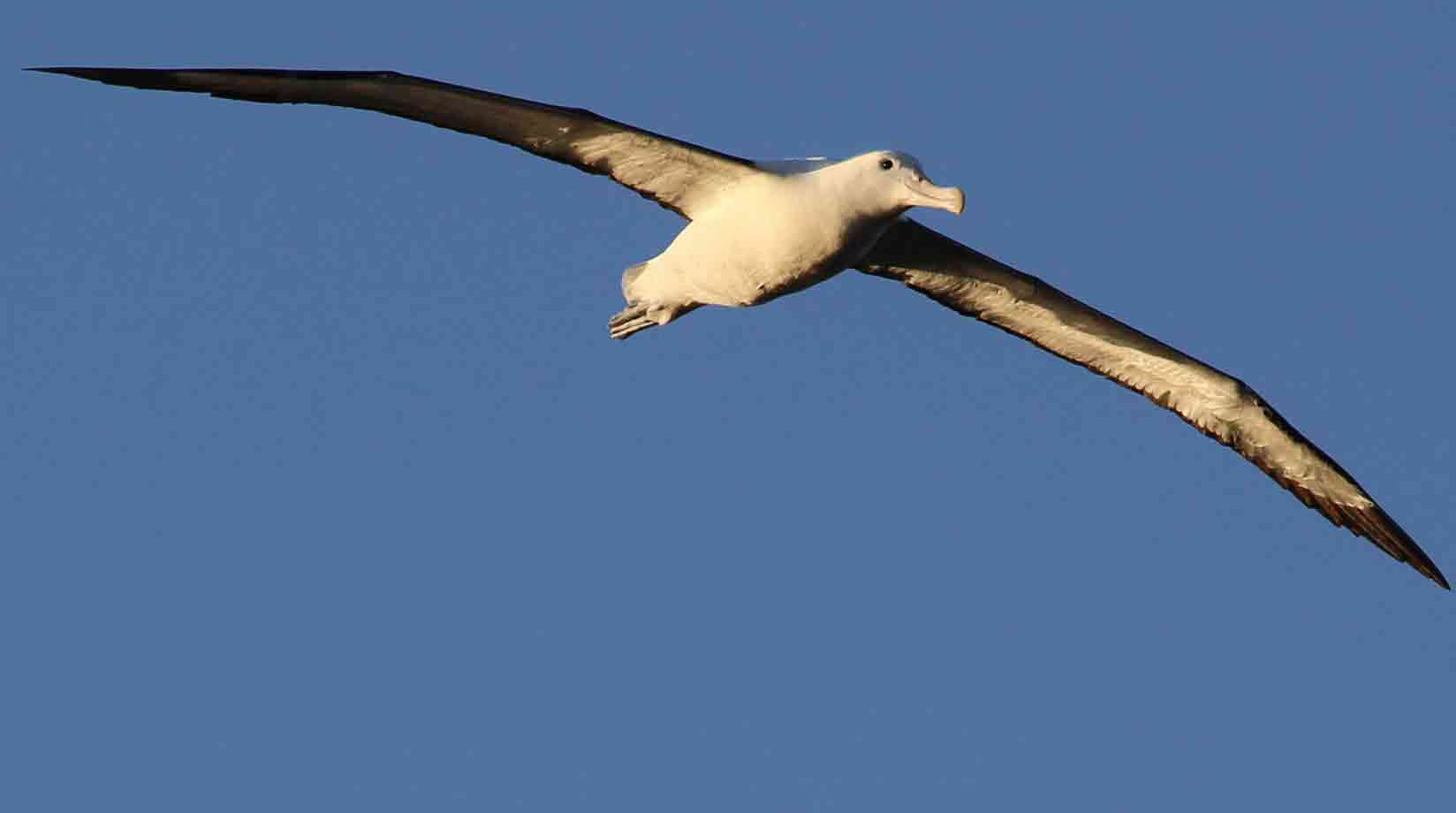
At just five months old, one young bar-tailed godwit took on a journey that seemed almost impossible. The bird flew more than 13,500 kilometers from Alaska to Tasmania without stopping, remaining in the air for 11 days and one hour. It was not only one of the longest non-stop flights ever recorded in a bird, but also the bird’s first major migration—a remarkable demonstration of the endurance and navigation abilities of these extraordinary travelers.
The Young Bird Flew More Than 13,500 Kilometers Without Stopping
The bird was a juvenile bar-tailed godwit, a migratory shorebird scientifically known as Limosa lapponica. Researchers identified the individual by its satellite tag number, 234684. It had been tagged in Alaska when it was only about five months old.
On October 13, 2022, it began its migration from Alaska’s Yukon-Kuskokwim Delta. Its destination was somewhere in the South Pacific, where bar-tailed godwits normally spend the southern summer. But this particular journey would turn out to be much longer than anyone expected.
The bird flew at least 13,560 kilometers before finally reaching Ansons Bay in northeastern Tasmania. The journey lasted 11 days and one hour, meaning the bird spent roughly 265 hours continuously in the air.
The previous record was also held by a bar-tailed godwit. An adult male known as 4BBRW had flown about 13,050 kilometers in 2021, after previously setting a record of roughly 12,000 kilometers the year before. The young bird therefore did not merely match the previous achievement. It surpassed it by more than 500 kilometers.
What makes the story even more remarkable is the bird’s age. This was not an experienced adult returning from years of migration. It was a juvenile undertaking its first major long-distance journey.

Scientists Were Able to Follow the Entire Journey
Without modern tracking technology, there would have been almost no way to know exactly what happened during the bird’s journey.
The godwit was fitted with a tiny satellite tracking device that allowed researchers to follow its movements. Because the technology was small and light enough to be carried by a bird weighing only a few hundred grams, scientists could observe its route across one of the world’s largest oceans without interfering significantly with its ability to fly.
The tracking data showed the bird leaving Alaska and heading southwest toward the Aleutian Islands before continuing across the Pacific. It passed west of Hawaii and continued toward the South Pacific, with its route taking it near islands including Kiribati, Vanuatu and New Caledonia.
There were opportunities to land along the way.
The bird apparently did not take them.
Instead, it continued flying across thousands of kilometers of open ocean until it eventually reached Tasmania.
That is one of the reasons satellite tracking has transformed the study of migration. Researchers are no longer limited to observing birds when they appear at a particular location. They can reconstruct entire journeys and see how individual animals respond to enormous distances, weather conditions and geographical obstacles.
In this case, the tracking device turned what would otherwise have been an extraordinary possibility into a documented record.
Watch the video to take a closer look at the remarkable journey of this young bar-tailed godwit and discover how a bird just five months old managed to cross the Pacific without stopping for 11 days.
The Bird Took a Wrong Turn—and Flew Even Farther
One of the strangest parts of the journey was that the bird did not appear to follow the route researchers expected.
Bar-tailed godwits regularly migrate between breeding grounds in the northern hemisphere and non-breeding areas in Australia and New Zealand. Tasmania is also a regular destination for the species, so the bird was not traveling toward a completely unfamiliar part of the world.
But the route taken by bird 234684 was unusual.
According to BirdLife Tasmania convenor Eric Woehler, the bird appeared to be heading toward New Zealand before making a dramatic turn and continuing toward Tasmania. ABC described the change as a roughly 90-degree turn.
That unexpected change of direction added to the distance.
Had the bird followed a more direct route, its journey could have been shorter. Instead, its apparent detour helped push the total distance beyond the previous record.
The remarkable part is that the wrong turn did not become a fatal mistake.
The bird eventually reached Ansons Bay in northeastern Tasmania, completing a journey of at least 13,560 kilometers.
For a bird flying over the open Pacific, however, there was no easy way to recover from exhaustion.
If it landed on the ocean, survival would have been extremely difficult. Bar-tailed godwits are not built like seabirds that can rest on the water. As Woehler explained to ABC, they lack the webbed feet and adaptations needed to take off again after landing on the sea.
So the bird essentially had to keep going.
Its Body Was Built for an Impossible Journey
A journey of more than 13,500 kilometers requires an extraordinary amount of energy.
Bar-tailed godwits have evolved specifically for long-distance migration. Before beginning these journeys, they build up substantial fat reserves that can be used as fuel during their flights. Their bodies also undergo physiological changes that help them prepare for the enormous energy demands of migration.
The birds are relatively small, making their achievement even more impressive. Individual bar-tailed godwits weigh only a few hundred grams, yet they are capable of flying across entire oceans without stopping.
During the record flight, there was no opportunity to stop at an island and search for food.
There was no beach where the bird could rest.
There was no safe place in the middle of the Pacific where it could pause for the night.
Its energy had to come largely from the reserves it had built before departure.
The journey also required the bird to remain airborne through both daylight and darkness. According to BirdLife Australia, the flight lasted 11 days, meaning the bird spent more than 260 hours continuously making its way south.
Researchers cannot observe every detail of what a bird does during such a flight, so it is more accurate to say the tracking data indicated that it did not stop rather than claiming scientists directly observed every second of the journey.
Even with that qualification, the achievement remains extraordinary.

The Previous Record Was Also Held by a Godwit
The fact that a bar-tailed godwit broke the record set by another member of the same species is not a coincidence.
These birds are among the world’s most remarkable long-distance migrants.
In 2007, a godwit known as E7 was famously tracked flying from Alaska to New Zealand in a non-stop journey of more than 11,500 kilometers. That achievement became one of the best-known examples of extreme bird migration.
Years later, another tagged godwit began pushing the record even further.
The adult male 4BBRW flew about 12,000 kilometers in one migration and then surpassed his own record with a journey of approximately 13,050 kilometers in 2021.
Then came juvenile bird 234684.
At only five months old, it flew from Alaska to Tasmania and added another roughly 500 kilometers to the previous record.
The sequence shows just how extreme the migratory abilities of this species can be. These are not isolated feats that occurred only once. Different individuals have repeatedly demonstrated the ability to remain airborne for thousands of kilometers.
The 2022 flight simply pushed the known limit farther than ever before.
The Biggest Mystery Is How Young Birds Know Where to Go
Perhaps the most fascinating part of the story is not the distance itself.
It is the fact that a bird only a few months old can undertake a journey across an ocean.
Migration requires much more than physical endurance. A bird must somehow maintain a direction over enormous distances, respond to changing environmental conditions and eventually reach a destination thousands of kilometers from where it was born.
Scientists have identified several mechanisms that can contribute to bird navigation, including visual cues, the position of the Sun and stars, environmental information and sensitivity to Earth’s magnetic field. But migration is a complex behavior, and researchers continue studying how different species combine these abilities.
The 2022 godwit record provides another extraordinary example of that capability.
The bird did not simply fly for a few hours.
It crossed an ocean.
And it did so during its first major migration.
The fact that it apparently made an unusual turn along the way makes the achievement even more interesting. Rather than following the shortest possible route, it still managed to reach Tasmania after traveling thousands of kilometers farther than the previous record.
Its journey shows that migration is not simply a matter of following a perfectly straight line. Birds are navigating a constantly changing world.

At just five months old, this bar-tailed godwit accomplished something extraordinary: flying more than 13,500 kilometers from Alaska to Tasmania without stopping for food or rest. Its 11-day journey not only broke a world record but also showed how remarkable the instincts, endurance and navigation abilities of migratory birds can be. For such a young bird, crossing an entire ocean was more than a migration—it was an extraordinary feat of survival.