In 1795, a group of teenagers exploring Oak Island in Nova Scotia reportedly found a strange depression beneath an old oak tree. They began digging and encountered layers of wood and stone that appeared to continue underground. What followed became one of North America’s longest treasure hunts. For more than two centuries, explorers have returned to the island searching for what became known as the Money Pit, while stories have connected it to pirates, the Knights Templar, lost manuscripts and other legendary treasures. The mystery remains unresolved, but the island has produced enough unusual evidence to keep the search alive.
The Mystery Began With A Hole In The Ground
Oak Island sits in Mahone Bay on Nova Scotia’s Atlantic coast, a small, wooded island that became famous because of one extraordinary story. According to accounts repeated by later treasure hunters and historians, teenager Daniel McGinnis and two companions visited the island in 1795 and noticed a circular depression in the ground beneath an oak tree. The boys reportedly began digging because the location reminded them of a place where buried treasure might have been hidden.
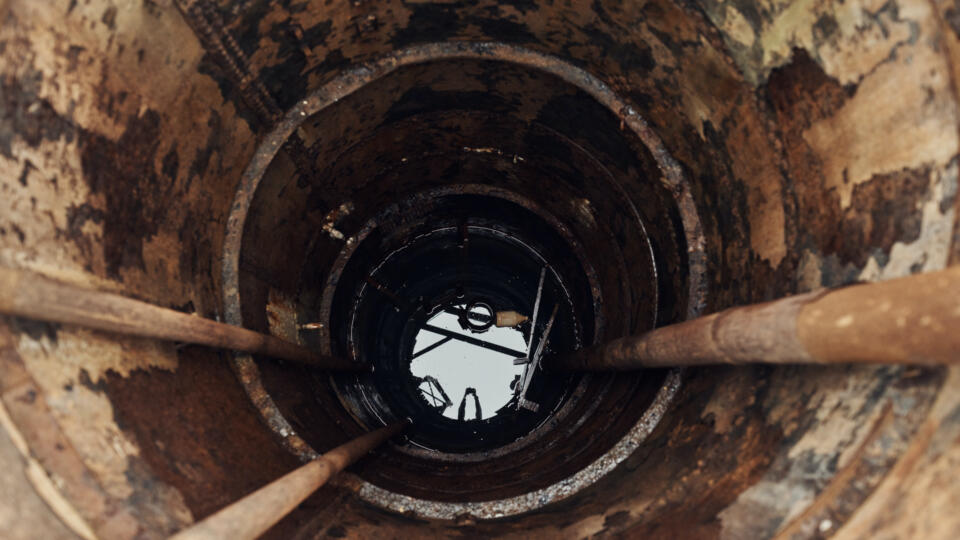
The excavation allegedly became more interesting as they went deeper. Reports described a shaft containing oak logs, flagstones and wooden platforms appearing at intervals of about 10 feet, with several layers extending downward. Those details transformed an ordinary hole into something that looked deliberately constructed. The problem is that much of this early story was recorded through later accounts rather than contemporary archaeological documentation, meaning some elements of the traditional narrative remain difficult to verify independently.
Whatever its precise origin, the story was enough to attract investors and treasure hunters. What began as a local tale gradually became a hunt that continued through successive generations.
Check out our latest video to uncover the secrets behind the legendary Oak Island Money Pit! Watch as the team dives deep into mysterious excavations and reveals thrilling new discoveries. You don’t want to miss a single moment of this incredible quest—click the link to watch the full video now!
Then The Ground Started Filling With Water
The most famous feature of the Money Pit story is not the supposed treasure. It is the water.
As later expeditions tried to dig deeper, they repeatedly encountered flooding, collapses and unstable ground. Treasure hunters came to believe that underground channels connected the excavation with the surrounding sea, allowing seawater to rush into the shafts whenever digging reached certain depths. Reports from the 19th and 20th centuries described possible drains and artificial structures around Smith’s Cove that seemed to support the idea of an elaborate flood system.
This became the central engineering mystery of Oak Island. If the flooding was deliberately created, whoever built the system would have needed an impressive understanding of the island’s geology, tides and underground drainage. Yet there is another possibility: the island’s natural limestone geology can produce cavities, sinkholes and water movement that may have been interpreted by treasure hunters as intentional tunnels. HISTORY notes that some of the strange underground behavior may have geological explanations rather than proving the existence of a deliberately constructed treasure vault.
That uncertainty is what makes the Money Pit story so difficult to settle. Water is definitely part of the archaeological and engineering puzzle. What remains uncertain is whether the water was an intentional defense system or a natural phenomenon later incorporated into the legend.

Every Generation Added A New Treasure Theory
Once the idea of a hidden vault took hold, the question naturally became: who supposedly buried it?
Over the decades, Oak Island has been connected with almost every famous lost treasure that could plausibly inspire a centuries-old mystery. Theories have linked the site to pirates such as Captain Kidd and Blackbeard, the Knights Templar, the Freemasons and even Francis Bacon. One especially imaginative theory claims that original Shakespeare manuscripts were hidden there. None of these explanations has been established as fact.
One of the most famous pieces of evidence in the legend is a stone said to have been recovered at roughly 90 feet in the early 19th century. According to a later account, the stone carried mysterious markings. A popular interpretation translated them as a message saying that millions of pounds were buried 40 feet below. The stone disappeared from view decades ago, and the interpretation of its markings has never been universally accepted.
This is where Oak Island becomes especially fascinating from a historical perspective. The mystery did not grow from one confirmed discovery. It grew through a mixture of reported finds, incomplete records, repeated retellings and increasingly elaborate theories. Each generation inherited the story and added another layer to it.
The Island Has Produced Real Objects — Just Not The Legendary Treasure
The absence of a confirmed treasure does not mean nothing has ever been found. Treasure hunters and modern researchers have recovered a wide range of artifacts from around Oak Island, including old coins, pottery, pieces of wood, metal objects and other material from different periods. HISTORY’s record of discoveries includes coins dating to the 16th and 17th centuries, a gemstone brooch, a French military badge and a lead cross that some researchers have associated with medieval European history.
Some finds are particularly intriguing because they appear to predate the 1795 discovery of the Money Pit. HISTORY reports wood from a structure at Smith’s Cove that dates earlier than the first recorded treasure hunt, along with evidence interpreted by the excavation team as a possible slipway. The same source also documents coconut fiber found at Smith’s Cove and other features that have been incorporated into theories about underground flood channels.
But an old object is not automatically evidence of a buried treasure vault. Oak Island sits in a region with centuries of maritime activity, and objects can arrive through trade, travel, construction or other human activity. That is why individual artifacts can be genuinely interesting without proving the most dramatic theories surrounding the Money Pit.
Modern Technology Has Made The Search More Precise
The search for the Money Pit has changed dramatically since the days of shovels and hand-dug shafts. Earlier expeditions relied on picks, pumps and increasingly powerful mechanical equipment, while modern investigators can use drilling rigs, metal detectors, ground surveys and scientific analysis to study areas that earlier treasure hunters could barely reach.
The Lagina brothers, whose search became the basis of the HISTORY series The Curse of Oak Island, have investigated not only the traditional Money Pit area but also Smith’s Cove, the island’s swamp and surrounding lots. HISTORY’s archaeological map documents a long list of reported discoveries, including possible underground tunnels, unusual wood, coins, pottery and traces of precious metals found through water sampling. Some of those findings remain part of the show’s ongoing investigation rather than independently established proof of a treasure cache.
That distinction is important. Modern tools can reveal anomalies, date materials and identify metals, but they cannot automatically explain why an object or structure exists. An unusual tunnel may be ancient, recent or natural. A trace of gold underground may indicate human activity—or something produced by local geology. The technology improves the investigation, but it does not eliminate the need for interpretation.

Two Centuries Later, The Biggest Mystery Is Still The Same
The enduring attraction of Oak Island is not simply the possibility of finding gold. It is the possibility that somewhere beneath an ordinary patch of Canadian ground lies evidence of an extraordinary story.
A hidden pirate vault would be remarkable. A medieval expedition reaching Nova Scotia would be remarkable. A previously unknown engineering project would also be remarkable. Yet none of those explanations has been proven, which means the real historical puzzle is more open-ended than the television version can sometimes make it appear.
Oak Island has already demonstrated that people were using and modifying parts of the landscape long before the modern treasure hunt. Structures, timber, artifacts and unusual geological features have created a genuine archaeological puzzle. What remains unknown is whether those pieces belong to one grand hidden construction or to many different episodes of human activity spread across centuries.
That may be why the Money Pit has survived as a mystery for so long. Every excavation has the potential to settle one question while creating another. The treasure itself has never been conclusively identified, but the island keeps producing enough evidence to make the next dig seem worth attempting.
Oak Island’s Money Pit began with a story about teenagers discovering a strange depression in 1795 and grew into one of the longest-running treasure hunts in North America. Flooding, underground structures, mysterious artifacts and a missing inscribed stone turned the site into a legend, while theories tied it to pirates, medieval orders and other lost treasures. Yet no confirmed hoard has been recovered. What makes the story endure is the gap between evidence and explanation: real objects and unusual structures exist, but nobody has conclusively established who built them, why they were there or whether a great treasure was ever buried beneath the island.
The original HISTORY Channel article provides the core account of the Money Pit, from the 1795 discovery story to the flooding problem and the major treasure theories that followed. HISTORY’s broader Oak Island history and discovery map add context about the island’s earlier excavations, artifacts and the continuing search for an explanation. Source: https://www.history.com/shows/the-curse-of-oak-island/articles/what-is-the-money-pit