The plane was already on the ground, back at the airport, and the most dangerous part of the emergency should have been over. But on August 19, 1980, Saudi Arabian Airlines Flight 163 had just landed in Riyadh after a fire broke out in the rear of the aircraft—and somehow, all 301 people aboard would still die. Rescue crews were outside, the aircraft was intact, and yet no one escaped before the fire and smoke overwhelmed the cabin. How could a plane land safely and still become a fatal trap?
The Fire Began Seven Minutes Into the Flight
Flight 163 took off from Riyadh with 287 passengers and 14 crew members aboard. About seven minutes later, smoke was detected in the rear cargo compartment, and the flight crew began investigating the source while the aircraft continued climbing. The problem quickly became serious enough for the captain to decide that the aircraft needed to return to Riyadh.
The crew managed to keep the L-1011 under control and turned back toward the airport. Smoke was spreading through the rear portion of the aircraft, but the pilots were still able to make the approach. Unlike many fatal aviation disasters, this was not an aircraft falling apart in midair or crashing into terrain. The airplane was coming home.
Discover the harrowing, true story of Saudia Flight 163. How did a simple cargo fire lead to a tragic catastrophe? Mentour Pilot breaks down the critical errors, systemic failures, and the brave actions of the cabin crew. Watch this gripping investigation into one of aviation’s most preventable and mysterious disasters.
The Plane Landed. Nobody Escaped.
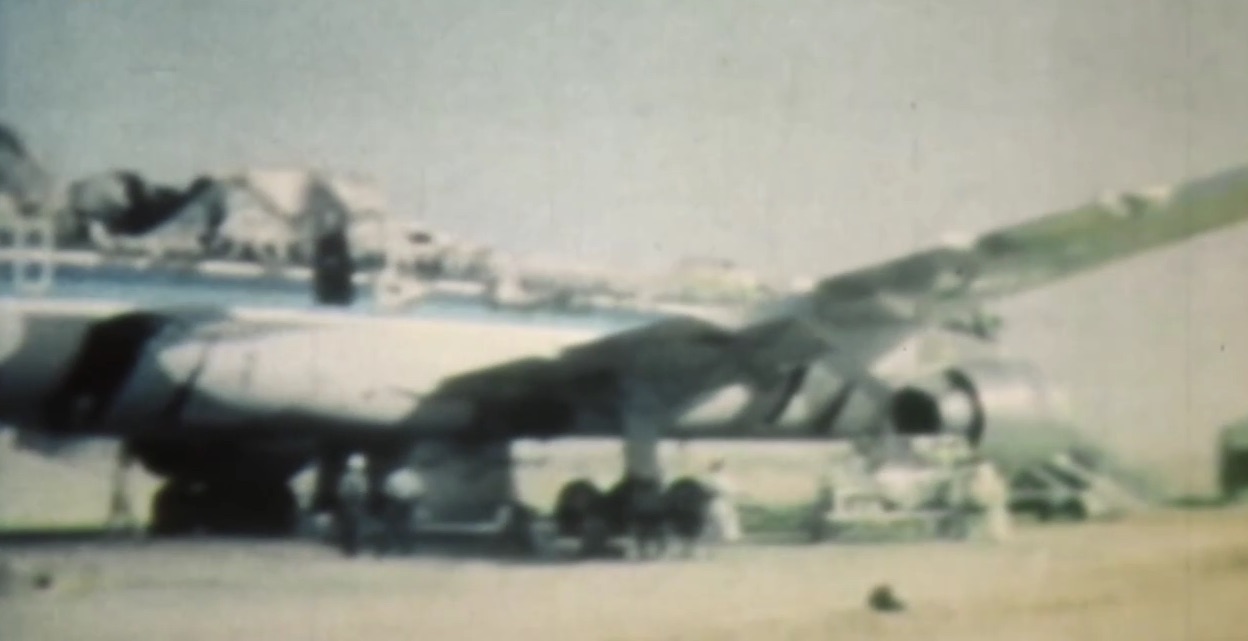
Flight 163 landed at Riyadh roughly 20 minutes after turning back. Instead of stopping immediately on the runway for an emergency evacuation, the aircraft continued taxiing and eventually came to a stop on a taxiway. The engines remained running for several minutes, while the fire continued spreading inside the fuselage.
The crew reported that they were shutting down the engines and preparing to evacuate. Shortly afterward, the tower warned them that the aircraft’s tail was on fire, and the crew replied that they were attempting to evacuate. No effective evacuation followed, and rescue crews were unable to open the passenger doors quickly enough.
The first passenger door was not opened until about 26 minutes after the aircraft stopped. By then, smoke and fire had overwhelmed everyone inside. Investigators later found passengers and crew near exits that had never been opened.

Why Did a Safe Landing Become Fatal?
The investigation found that the fire had started in the C-3 cargo compartment beneath the passenger cabin. That space had been designed as a Class D cargo compartment, based on the assumption that a fire would eventually use up the available oxygen and extinguish itself. Instead, the fire penetrated the compartment’s protective liner and spread into the passenger cabin above it.
Once the fire entered the cabin, the environment became rapidly unsurvivable. Smoke and toxic gases spread through the aircraft, while heat and reduced oxygen made it increasingly difficult for anyone inside to escape. The investigation found substantial soot in the airways of many victims, indicating the importance of smoke inhalation in the deaths.
The aircraft’s evacuation response also failed at several stages. The captain did not make the kind of immediate emergency stop that would have allowed evacuation to begin as quickly as possible, the engines were not shut down immediately, and airport rescue personnel were unfamiliar with the aircraft’s doors. Each delay mattered because the passengers were trapped inside a burning aircraft that was already sitting on the ground.
A Chain of Failures
The disaster was not ultimately attributed to one mistake. Investigators identified weaknesses in the aircraft’s fire protection system as well as problems involving cockpit procedures, crew coordination, emergency checklists and airport rescue preparedness. The aircraft had successfully completed the most difficult part of the emergency—returning to the airport—but the systems and procedures needed to get people out did not work effectively.
The rescue response created another obstacle. Firefighters had reached the aircraft, but their unfamiliarity with the L-1011 made it difficult to open the doors from outside. The delay was particularly serious because the passengers were not trapped by a crash-damaged airframe; they were inside an aircraft that had landed intact.
That distinction made Flight 163 an important aviation safety case. It demonstrated that surviving the landing does not necessarily mean surviving the emergency. In an onboard fire, the critical question can shift from whether the aircraft can land to whether everyone can escape immediately afterward.
The Legacy of Flight 163
The investigation into Flight 163 contributed to wider changes in aviation safety, particularly concerning cargo-compartment fire protection and emergency procedures. The accident highlighted the danger of relying on a cargo system that might not contain a fire as expected and showed how quickly smoke can turn an apparently survivable situation into a catastrophe.
It also exposed the importance of coordination between the flight crew and emergency responders. A modern emergency plan is only as effective as the people and equipment available to carry it out, and every minute can matter when a fire is spreading through a passenger cabin.
That is why the story of Flight 163 remains so unsettling. The passengers did not die because the aircraft could not reach the airport. It reached the airport. The tragedy happened because the final step—getting everyone out—never succeeded.

Saudi Arabian Airlines Flight 163 remains one of aviation’s starkest lessons in how a successful landing can still end in tragedy. On August 19, 1980, the L-1011 returned safely to Riyadh after a fire, but the evacuation failed and all 301 people aboard died. Investigators later identified failures involving fire containment, crew procedures and emergency response. The disaster helped drive important changes in aviation safety, but its most haunting lesson remains simple: landing safely is not the same as escaping safely.
The tragedy of Saudi Arabian Airlines Flight 163 was documented in detail by the Federal Aviation Administration, including the onboard fire, the aircraft’s return to Riyadh, the failed evacuation and the safety lessons that followed. Source: https://insurancekhabar.com/301-passengers-killed-despite-safe-landing-story-of-tragic-saudi-plane-crash-2/