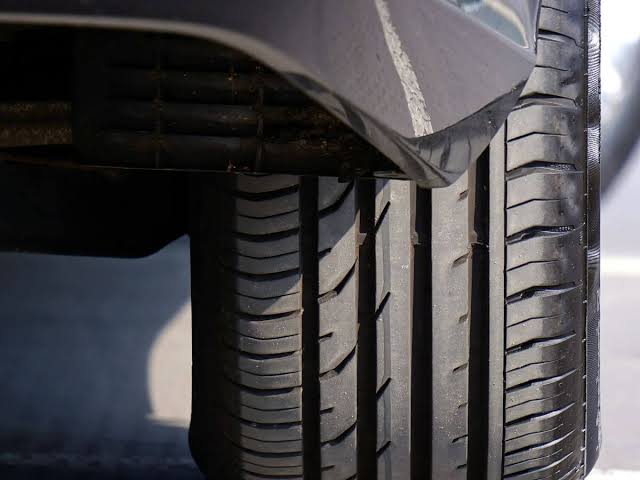
California has spent years regulating cars. Now, it is coming for the tires. A new mandate will set efficiency standards for replacement tires sold in the state—and that has sparked a disturbing question among car enthusiasts: Could some of the high-grip tires you want eventually become tires you can no longer buy? California says it is not banning performance tires. Critics are not so sure.
California Is Now Regulating How Your Tires Roll
Starting in 2029, replacement tires sold in California will have to meet new efficiency standards, with stricter requirements scheduled for 2033.
The target is something most drivers never think about: rolling resistance.
The easier a tire rolls, the less energy a car needs to move it.
That can mean better fuel economy for gasoline vehicles and more range for EVs.
Sounds harmless.
Until you remember that some drivers are not buying tires for efficiency.
They are buying them for grip.

And That’s Where Things Get Interesting
Performance tires are built around compromises.
More grip. Harder cornering. Better braking. Sharper response.
But maximum performance and maximum efficiency do not always want the same thing.
California’s new rules have therefore raised fears that some existing tires may eventually fail to meet the state’s requirements.
Imagine walking into a tire shop and discovering that the exact performance tire you have always used is no longer available—not because it is unsafe, but because it does not roll efficiently enough.
That is the scenario worrying some enthusiasts.
California says it is not banning high-performance tires. Critics say the new rules could reshape the market. So what did the state actually pass—and could your favorite sticky tires be affected? Watch the video for a closer look at the new California tire rules, what they mean for performance tires, and why this debate has car enthusiasts paying attention.
So Is California Actually Banning Performance Tires?
Not exactly.
And this is where the headline gets more complicated.
California says the new regulation is not a blanket ban on high-performance tires. The rules include separate treatment and exemptions for certain specialized categories.
But the more interesting question is not whether California will ban every performance tire.
It is this:
Which tires will manufacturers decide are worth redesigning for California—and which ones may quietly disappear from the market?
That answer could matter far beyond the state itself.

Because What California Does Rarely Stays in California
California is one of the world’s largest automotive markets. When the state introduces a new technical requirement, manufacturers must decide whether to create separate products for California or redesign their products more broadly.
That is why a regulation about replacement tires has attracted attention across the country.
A rule written in California could eventually influence what sits on a tire rack somewhere else.
And for enthusiasts, that is where the story becomes personal.
The Next Automotive War May Not Be About Engines
For decades, California’s automotive battles have focused on horsepower, emissions and fuel economy.
Now, the state has opened another front. Four pieces of rubber.
The new rules may not amount to a ban on performance tires. California insists they do not.
But by 2029, the tire market will begin changing around a new legal definition of efficiency.
And when you eventually need your next set of tires, the question may no longer be simply:
What tire do I want? It may become: What tire am I still allowed to buy?

California is not banning high-performance tires—at least not outright. But once the state begins deciding which replacement tires meet its definition of efficiency, the market may start changing in ways drivers cannot yet predict. By 2029, the question may no longer be simply which tires offer the best grip, but which ones manufacturers still choose to sell. And for car enthusiasts, that could make the next fight over automotive freedom start where the road begins.