In the summer of 1998, one of Empress Elisabeth of Austria’s famous diamond stars disappeared from an exhibition at Schönbrunn Palace in Vienna. The theft itself was extraordinary, but what happened afterward was even stranger. Police and palace officials publicly claimed the jewel had already been recovered, hoping the thief would try to sell it. The real star remained missing, while visitors continued admiring a cheap imitation in the display case. Nearly a decade later, Canadian thief Gerald Daniel Blanchard was arrested for unrelated crimes. His grandmother’s basement finally revealed where the missing imperial jewel had gone.
The Jewel Behind The Legend Of Sisi
Empress Elisabeth, better known as Sisi, became one of the most recognizable figures of the Habsburg monarchy. Famous for her beauty, elaborate hair and unconventional lifestyle, she was also known for wearing distinctive diamond stars in her hair.
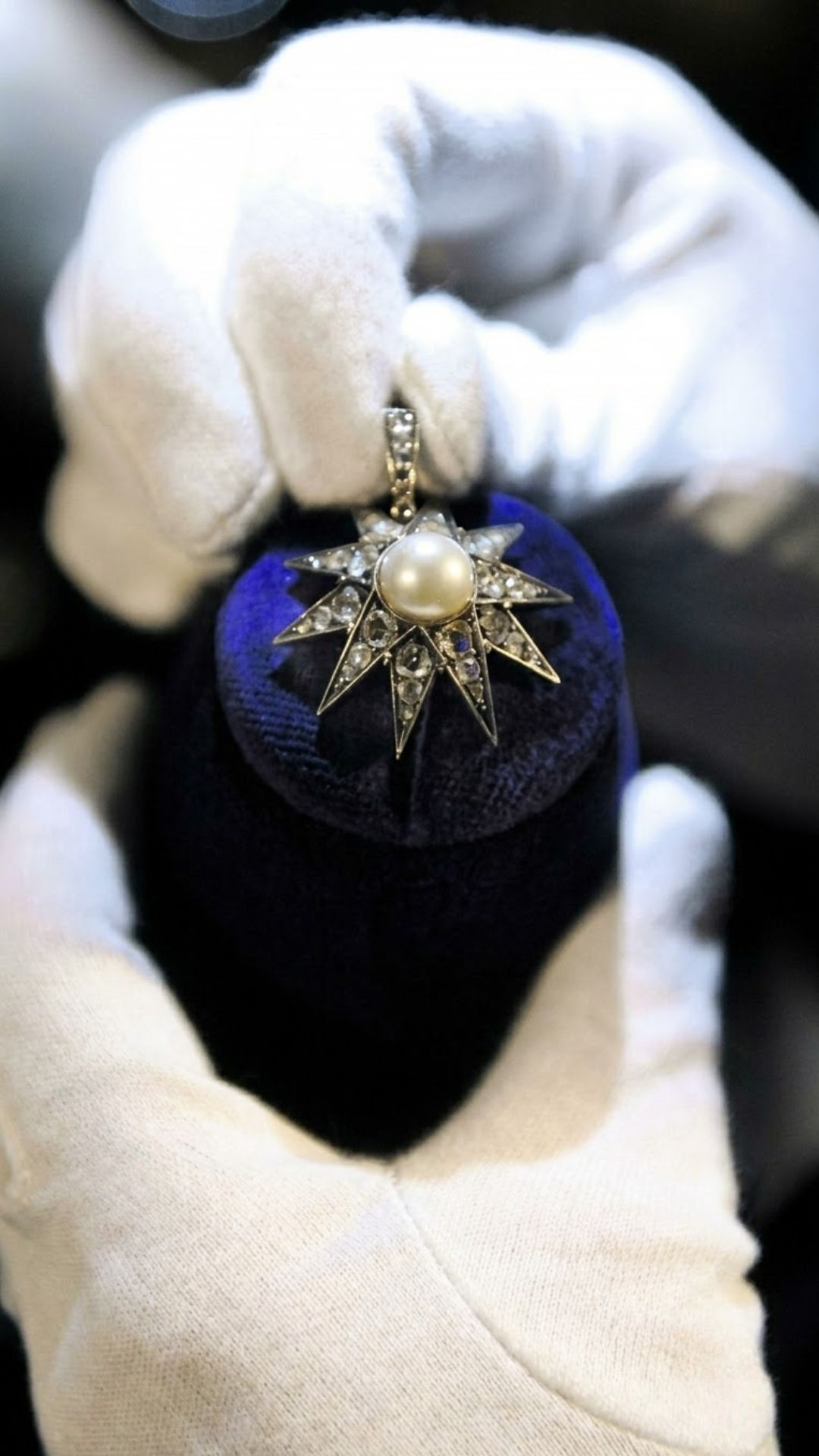
The stars were made by Viennese jewelers and became strongly associated with Sisi’s image, particularly after Franz Xaver Winterhalter’s celebrated 1865 portrait showed the empress wearing several of them. They were elegant but relatively simple in design: star-shaped ornaments decorated with diamonds and centered by a large pearl.
By the late 20th century, the stars had become valuable pieces of imperial history as well as jewelry. One of them was included in a 1998 exhibition at Schönbrunn Palace celebrating Elisabeth’s life and image, marking the 100th anniversary of her assassination.
Visitors came to see the original. For some of them, however, the most surprising part of the exhibition would only become known years later.
Ever wondered how a master thief pulled off one of history’s most audacious diamond heists? Dive into the true story of Gerald Blanchard and the legendary Sissi Star theft. This real-life mission impossible is more gripping than any movie! Watch now to uncover the full, calculated plan. Don’t miss out!
The Star Disappeared Without Anyone Knowing
Gerald Daniel Blanchard, a Canadian criminal who later became known for elaborate thefts, visited the exhibition during a trip through Europe in 1998. According to the account he later gave authorities, he became fascinated by the Sisi star and decided that stealing it would be an extraordinary challenge. His plan was unusual from the beginning.
During another visit to Schönbrunn, Blanchard found himself briefly alone in the room containing the jewel. According to his later account, he loosened screws on the display case and left a window slightly open, preparing the room for a return visit.
He also obtained a replica star that resembled the original. Then came the strangest part of his story.
Blanchard said he arranged for a helicopter to take him over Schönbrunn at night. Wearing a parachute, he jumped from the aircraft, landed near the palace and used the previously prepared window to enter the exhibition room. He opened the display case, removed the genuine star, placed the imitation on its stand and left again.
The entire story rests largely on Blanchard’s later account, but the central fact is undisputed: the real Sisi star disappeared, and a fake was left in its place.
Police Lied About Finding The Jewel
The theft could have become an embarrassing failure for Schönbrunn and the Vienna police. Instead, officials attempted something unusual.
Before the wider public even understood that the star had been stolen, Austrian newspapers reported that it had already been recovered. According to later explanations from Schönbrunn’s director, the story was deliberately planted to make the thief believe the police had found the missing jewel.
The plan was simple: if the thief thought the investigation was over, he might become careless and try to sell the star in Vienna.
Police reportedly alerted dealers and antique businesses to watch for the stolen piece.
But the trap did not work. The genuine star did not suddenly appear on the local market. Instead, the investigation stalled, and the false story had an unexpected consequence. The exhibition continued as planned.
Visitors Kept Looking At A Fake
Because the public had been told the jewel had already been recovered, there was no reason to remove the item from the exhibition.
So the imitation remained in the display case.
Visitors continued to admire it, believing they were looking at the real imperial jewel. The fake was reportedly displayed for the remainder of the exhibition while the genuine star was actually somewhere in Canada.
That meant the deception had reached far beyond the original thief.
For years, almost everyone looking at the display was unknowingly studying a replica. The palace was aware of the situation, but revealing the truth could have undermined the police strategy and exposed the fact that the genuine jewel was still missing.
The result was an extraordinary museum paradox: the real artifact was gone, but the public continued seeing something presented as though it were genuine. And then the story disappeared from public attention.
Almost 10 Years Passed
For most of the next decade, the Sisi star remained missing.
Then, in 2007, Canadian authorities arrested Blanchard during a major investigation into a string of robberies. He had developed a reputation for sophisticated thefts, particularly involving automated teller machines and other targets.
During the investigation, Blanchard reportedly told Canadian authorities that he possessed an old piece of jewelry belonging to an Austrian empress.
That claim sounded improbable. Then investigators searched the basement of his grandmother’s home. There, they found the missing Sisi star.
The discovery suddenly connected a long-forgotten Viennese jewelry theft to a Canadian criminal investigation almost ten years later. A jewel that had vanished from one of Europe’s most famous palaces had spent years thousands of miles away, hidden in a family basement.
The Imperial Jewel Finally Came Home
Once the star was identified, Canadian authorities contacted their Austrian counterparts. In 2008, the genuine jewel was returned to Vienna after nearly a decade away.
The recovery brought an end to one part of the mystery, but it also confirmed just how unusual the theft had been.
The police had spent years pretending the jewel had already been recovered. The museum had continued displaying an imitation. The actual artifact had crossed an ocean and remained hidden until its alleged thief was arrested for other crimes.
Blanchard was not prosecuted in Austria specifically for the theft of the Sisi star. Canadian authorities had more immediate concerns involving his other criminal activities, and the jewel itself was ultimately returned.
That left the star’s story almost perfectly suited to folklore: an imperial treasure disappears, a fake takes its place, a thief vanishes across the Atlantic, and the missing artifact eventually turns up in the basement of his grandmother’s house.

A Heist That Sounds Almost Too Strange To Be True
The Sisi star robbery is memorable because every stage of it seems to belong to a different kind of story.
It begins with imperial history: one of Empress Elisabeth’s distinctive diamond ornaments, displayed inside Schönbrunn Palace. It turns into a carefully prepared theft involving a replica and, according to Blanchard, a nighttime parachute jump. Then it becomes a police deception, with officials publicly claiming the missing jewel had been recovered while quietly hoping the thief would expose himself.
Finally, almost ten years later, the real star is found far from Vienna in an ordinary family basement.
The most remarkable detail may not even be the parachute.
It is the fact that for years, people stood in front of a museum case believing they were looking at a piece of imperial history when they were actually looking at a substitute.
The jewel eventually came home. But the story of how it disappeared—and how long the world was allowed to believe it had already been found—made the theft far more extraordinary than the value of the diamonds alone could explain.
The theft of one of Empress Elisabeth’s famous Sisi stars from Schönbrunn Palace in 1998 was remarkable enough on its own. But the aftermath made it extraordinary: police and palace officials publicly suggested the jewel had already been recovered, hoping the thief would try to sell it, while a replica remained on display for visitors. Nearly a decade later, Canadian authorities arrested Gerald Daniel Blanchard in connection with other crimes, and the genuine star was found in his grandmother’s basement. According to Blanchard’s own account, he had planned the Vienna theft carefully and even used a nighttime parachute jump to enter the palace. In 2008, the imperial jewel finally returned to Vienna.
P.S. This story draws on reporting about the 1998 theft, the police deception, and the 2007 recovery of Sisi’s star in Canada. Sources: Secret Vienna; Der Standard – https://secretvienna.org/the-stolen-sisi-star-a-daring-heist-in-vienna/