The gunman had already shot them. Then he came back to check the bodies. Their only chance was to stop moving, stop breathing and make him believe they were dead. On July 22, 2011, Anders Behring Breivik killed 77 people in Norway, including 69 at the youth camp on Utøya island. Years later, survivors described in court how they hid among the dead, swam through open water and held on long enough for rescue to arrive. Their stories reveal what survival can demand when there is almost nowhere left to run.
The Attack Began in Oslo and Ended on Utøya
The first attack came at 3:25 p.m., when a 950-kilogram car bomb exploded in Oslo’s government quarter, killing eight people. Breivik then drove toward Utøya, where the youth wing of Norway’s Labour Party was holding its annual summer camp.
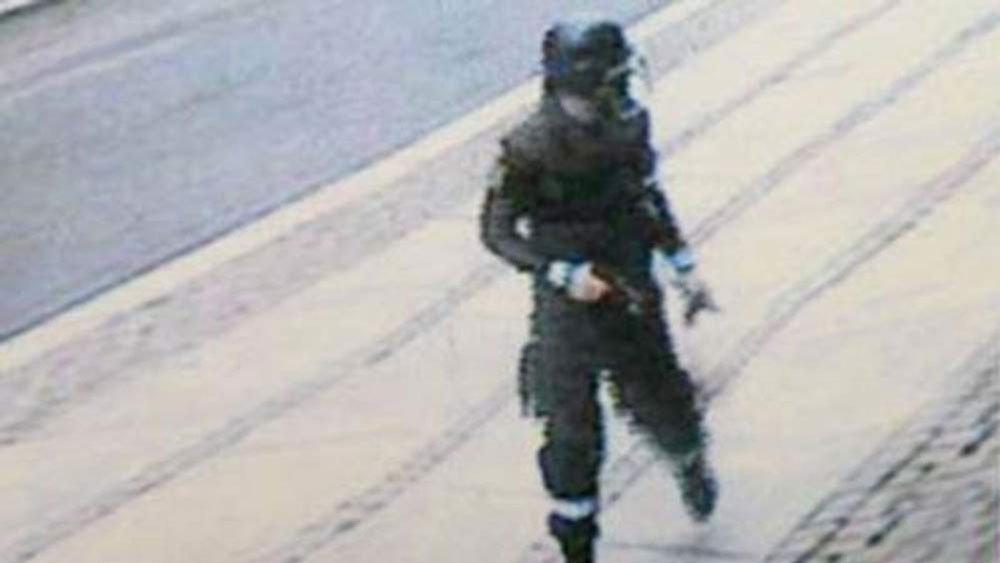
He reached the island at about 5:17 p.m., disguised as a police officer. What followed was a mass shooting that lasted roughly an hour and left 69 people dead, most of them very young; many others hid, ran or tried to swim away.
Inside the café’s Little Hall, seven teenagers were killed. But several others survived there, and years later their testimony revealed how close they had come to dying.
Some were shot. Others hid among the dead while the gunman returned to check the bodies. How did they stay alive when moving—or even breathing—could give them away? Watch the video to hear the survivors’ stories from the Utøya attack and the split-second decisions that kept them alive.
She Was Shot Twice, Then Played Dead
Ingvild Leren Stensrud had already been shot in the knee and shoulder when another girl, Ronja Søttar Johansen, fell on top of her. As Johansen was dying, Stensrud realized that the girl’s body could conceal her from Breivik.
She closed her eyes and remained completely motionless, trying not to breathe. Breivik returned and struck her in the shoulder, but she still did not move; then she heard him reload his weapon.
She did not know whether he believed she was dead or had simply become distracted. Eventually he left, and only afterward did she understand that the screams she had heard outside were not accomplices celebrating the attack, but her friends desperately trying to escape.

Another Survivor Was Lying in Blood
An 18-year-old boy who asked not to be identified had been shot in the foot and was lying beside his friend Bendik Rosnæs Ellingsen, who had been shot repeatedly in the head and face. The survivor recalled opening his eyes and feeling blood from Bendik beside him.
He stayed where he was among the victims, eventually describing the scene as lying in a pool of blood that became increasingly cold. Even then, his mind was still working; he was thinking about what the attack would mean for Norway and for his own life.
He and Stensrud also tried to keep Glenn Martin Waldenstrøm conscious. Waldenstrøm had suffered a gunshot wound to the neck, and the others feared he would bleed to death before help arrived.
The Boy They Thought Was Dying Survived
Waldenstrøm did survive, but the injuries were devastating. The bullet entered his neck, passed through his mouth and exited beneath one of his eyes, leaving him with severe vision loss; one eye retained only about 10% vision.
When he woke from a coma two days later, his first thoughts were about his friend Silje Merete Fjellbu, whom he had tried but failed to protect. The physical injuries were only part of what remained after the attack.
Later, Waldenstrøm discovered a strange detail in Breivik’s own account of the massacre. Breivik had described seeing a boy with a badly bleeding neck whom he believed was dead or dying, and Waldenstrøm realized that the person described was probably him.
That realization gave him an unexpected feeling. After everything that had happened, he felt a sense of victory because he had fooled the gunman into believing he was already dead.
Survival Meant Different Things to Different People
Not everyone in Utøya survived by hiding. Some ran toward the shoreline and entered the water, trying to get as far from the gunman as possible. One survivor later told the court, “We won. He lost. Norwegian youth can swim.”
Inside the café, however, survival sometimes meant doing the opposite of running. It meant lying still beneath or among the bodies, suppressing every instinct to move while a gunman walked through the room looking for anyone still alive.
The survivors gave this testimony during Breivik’s trial in May 2012, almost a year after the massacre. Their accounts did more than document what happened; they showed the split-second decisions that separated those who escaped from those who did not.

The July 22, 2011 attacks killed 77 people in total, including 69 at Utøya, and left Norway facing its worst peacetime terrorist attack. But inside the island’s Little Hall, several young people survived through an almost unimaginable strategy: after being wounded, they lay among the dead and tried to convince Anders Behring Breivik that there was no one left alive. Stensrud survived beneath another victim, while Waldenstrøm later discovered that the gunman had mistaken him for dead. For them, survival did not always mean escaping the danger—it sometimes meant becoming invisible to it.