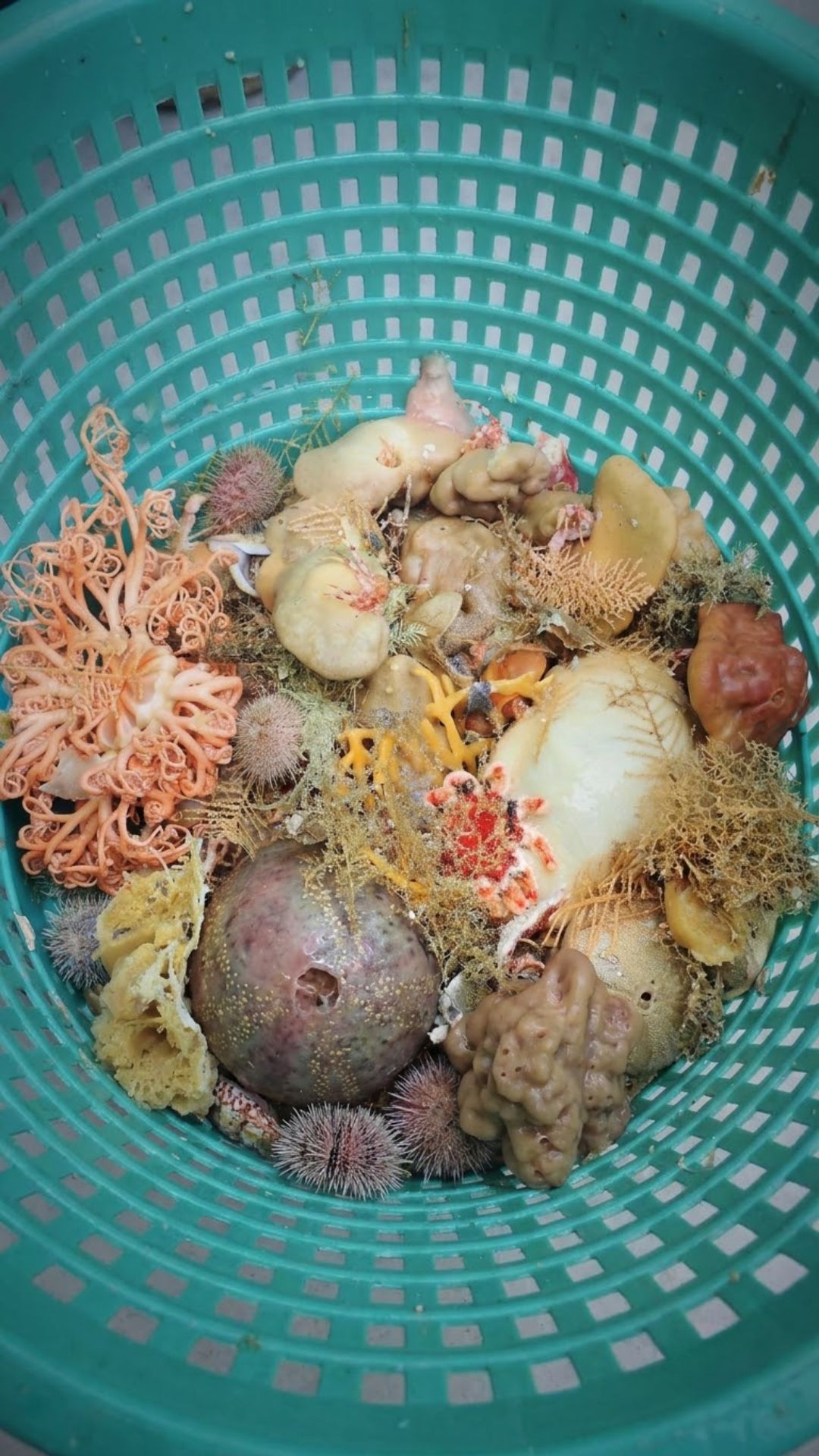
Scientists have identified nine previously unknown species of deep-sea sponges in Alaska, adding to a growing picture of how much life remains hidden beneath the North Pacific. The discoveries came from specimens collected during NOAA Fisheries surveys, some dating back to 2012, and were confirmed through microscopic examination and DNA analysis. The new findings bring the number of known sponge species in Alaska to 232. More importantly, they show that the cold seafloor is not an empty wilderness. Sponges create shelter for fish and crabs, filter seawater and form living structures that support entire underwater communities. And researchers believe hundreds of additional species may still be waiting to be identified.
Scientists Found Nine Species That Nobody Had Officially Identified
The newly discovered sponges came from the Gulf of Alaska and the Aleutian Islands, two areas known for rich and complex marine ecosystems. The specimens were collected during NOAA Fisheries’ long-running bottom-trawl surveys, which monitor fish and shellfish populations. Researchers later examined the sponge samples in much greater detail, including specimens collected more than a decade ago.
The research revealed nine species that had never been formally described by science. One was so unusual that scientists created an entirely new genus for it, while another represented a group previously known only from tropical waters. Together, the discoveries raised the number of known sponge species in Alaska to 232.
That number is significant because the discovery was not simply about adding nine names to a scientific list. It also showed how difficult it can be to understand life in deep water, where many organisms live far beyond the reach of ordinary observation.
Scientists often have to rely on specimens brought to the surface, microscopic analysis and genetic testing to determine whether a sponge represents a known species or something completely new. In this case, both traditional taxonomy and DNA barcoding helped researchers make the distinction.
Dive into the mysterious depths of Seascape Alaska! Discover vibrant coral gardens, rare marine species, and incredible geological wonders hidden miles beneath the surface. Join NOAA Ocean Exploration on this breathtaking underwater journey to uncover what truly lies beneath. Watch now to explore our planet’s least explored living space!
These Sponges Are More Important Than They Look
Sponges may seem like some of the simplest animals in the ocean, but their role on the seafloor can be surprisingly important. They filter seawater for food and create physical structures that provide shelter for other marine animals.
In Alaska, young rockfish and crabs can use the spaces around sponge communities as protection from predators. Some fish lay their eggs inside sponge structures, where flowing water provides oxygen and the sponge’s natural chemicals may help protect the eggs. Dense sponge fields can therefore function as nurseries and refuges for animals that are important to Alaska’s fisheries.
This is why NOAA Fisheries considers dense sponge communities essential fish habitat. Knowing which sponge species exist and where they are found can help scientists understand the wider ecosystem and identify areas that may be vulnerable to physical disturbance.
The sponges themselves are also remarkably old in evolutionary terms. They have existed for more than 600 million years and can survive without brains, organs or complex tissue systems. Some species also produce chemical compounds that help defend them from predators and competing organisms, and researchers have investigated sponge-derived chemicals for potential medical applications.
What looks like an unremarkable organism attached to a rock can therefore be part of a much larger biological system.
Scientists Have To Look Inside A Sponge To Know What It Is
Identifying a fish is often relatively straightforward. Scientists can examine its fins, body shape, coloration and other visible features. Sponges are much more difficult.
Their bodies can have relatively simple shapes, and different species may look remarkably similar. Researchers instead examine tiny structures called spicules, which form part of the sponge’s internal skeleton. These microscopic structures vary in shape, size and arrangement and can provide clues that distinguish one species from another.
Scientists also use DNA barcoding, which analyzes short genetic sequences that can act like a biological fingerprint. This is especially useful when physical characteristics are difficult to interpret or when specimens are damaged during collection.
The genetic information has another benefit. The new DNA barcodes can be added to international genetic databases, helping researchers identify sponge species from future environmental DNA samples taken directly from seawater. Eventually, scientists may be able to determine which species are present in an area without having to physically collect every organism.
That could become increasingly important as researchers try to map the biodiversity of Alaska’s deep waters more efficiently.

Hundreds More Species May Still Be Unknown
The most interesting part of the discovery may be what scientists cannot yet name.
NOAA researchers say there are probably hundreds of additional sponge species in Alaska that have not yet been identified. Deep water is difficult to access, and rocky areas are particularly challenging to survey with conventional bottom-trawl equipment.
That means the 232 known species should not be interpreted as a complete inventory of Alaska’s sponge life. They represent the species scientists have so far been able to find, examine and formally describe.
This is a recurring pattern in deep-sea research. Scientists can spend years collecting specimens before realizing that some belong to species that have never been documented. A sample gathered during one survey may remain in a collection until better microscopes, genetic techniques or taxonomic research make its significance clear.
The discovery of nine new species therefore provides a glimpse into a much larger unknown. There could be many more organisms living in the cold waters around Alaska that science has not yet named, mapped or understood.
The Seafloor Is Also Facing Growing Pressure
The discoveries come at a time when scientists are paying increasing attention to the condition of deep-sea habitats. Sponge communities can be damaged by physical disturbance, including some forms of bottom-contact fishing, and their slow growth can make recovery difficult in certain environments.
The deep seafloor is also attracting interest because of its mineral resources. Deposits containing metals such as nickel and copper have increased interest in possible deep-sea mining, raising questions about how much scientists should understand about these ecosystems before allowing new forms of industrial activity.
The issue is not simply whether humans should use the ocean’s resources. It is also about how much is known before decisions are made.
If scientists are still identifying new species in waters that have been studied for years, it becomes harder to assume that the ecological consequences of disturbing those habitats are fully understood. A sponge that appears insignificant may provide shelter for young fish, support other organisms or contain biological characteristics that scientists have not yet discovered.
That uncertainty is one reason mapping and identifying deep-sea life matters.
Alaska’s Deep Ocean Still Has Many Secrets
The discovery of nine new sponge species is a relatively small scientific announcement, but it reveals something much larger about the ocean. Alaska’s deep waters contain complex communities that scientists are still working to understand, and the number of known species continues to grow as researchers examine old samples with better tools.
The new species also demonstrate why sponges deserve more attention. They are ancient animals, living water filters and important components of habitat used by fish and crabs. Their biology can be surprisingly complex even though their bodies appear simple.
Most importantly, the discovery suggests that the inventory is far from complete. NOAA researchers believe hundreds of additional sponge species may still be unknown in Alaska.
For a planet whose surface has been extensively mapped, that is a remarkable reminder: some of the most interesting discoveries may still be waiting in the darkness beneath the sea.
Scientists have identified nine new deep-sea sponge species in Alaska, bringing the number of known species in the state to 232. The discovery also highlights the important role these ancient animals play by filtering seawater and creating habitat for fish and crabs. Yet researchers believe hundreds of additional sponge species may remain unidentified. As fishing and interest in deep-sea resources continue, understanding these ecosystems becomes increasingly important. The latest discoveries show that even today, much of the ocean floor remains a world scientists are only beginning to understand.
This story draws primarily on NOAA Fisheries’ research about the nine newly identified sponge species and their role in Alaska’s deep-sea ecosystems. The Guardian’s recent reporting provides additional context about the broader questions surrounding fishing, deep-sea habitats and growing interest in seafloor resources. Source: https://www.theguardian.com/us-news/2026/sep/14/deep-sea-sponges-discovery-mining-fishing