A police officer on South Korea’s Jeju Island is accused of closing missing-person cases simply to avoid more work. Then four people reported missing were found dead within three days. Investigators say the officer claimed he had contacted at least two missing people before closing their cases, but records reportedly failed to support those contacts. Now nearly 300 cases he handled are being reviewed, turning what looked like an internal discipline case into a disturbing question about how missing people were treated.
The Case That Started the Scandal
The case that brought the issue into the spotlight involved 37-year-old Jang Mi-ran, who was reported missing on Jeju in May. According to investigators, the officer, identified by his surname Bu, later told her boyfriend that she had been contacted and was safe, allowing the case to be closed. Police say there was no evidence that the conversation had actually taken place, and the case remained closed until Jang’s body was found at a palm farm on August 24, 104 days after she disappeared.
The discovery changed the nature of the investigation. What might initially have appeared to be an administrative failure became a much more serious question about whether a missing person had been properly investigated at all. Police later said an autopsy confirmed the body was Jang’s, although they cautioned that the exact cause of death could not be determined because of advanced decomposition.

The Officer Said He Wanted to Avoid the Work
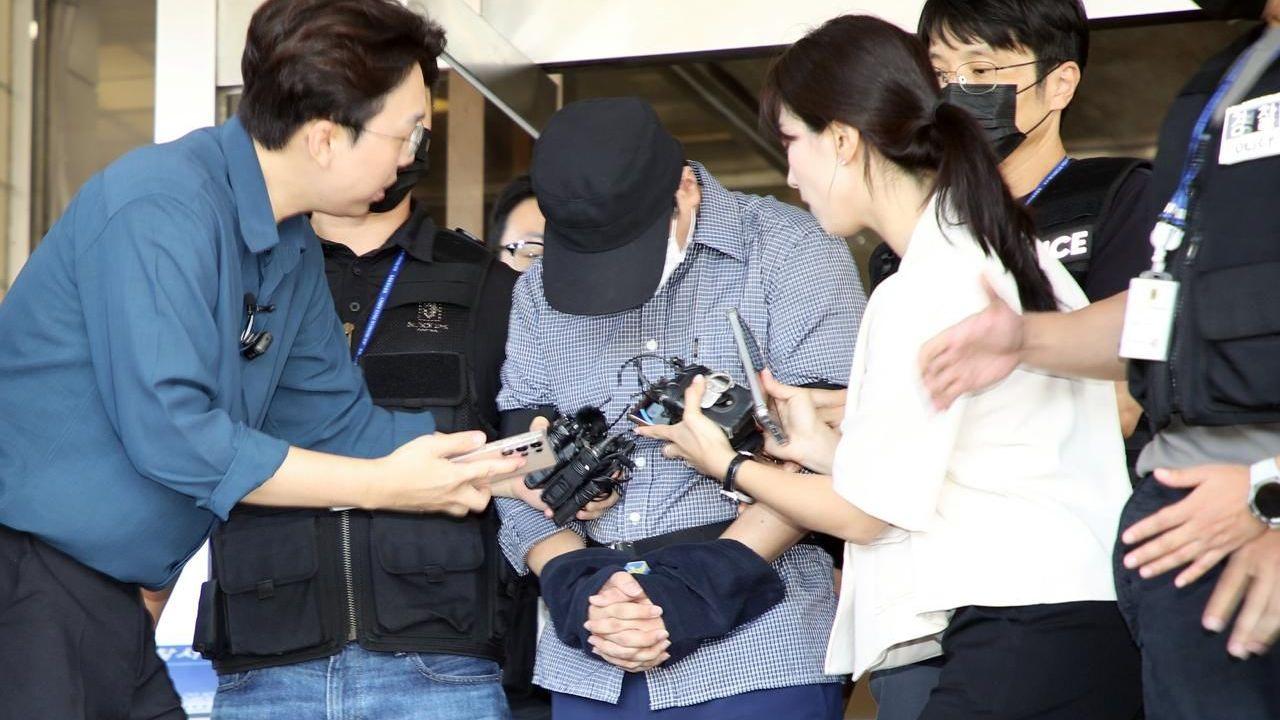
As investigators questioned Bu, the explanation he eventually gave was strikingly ordinary: he said he wanted to avoid the additional workload created by keeping missing-person cases open. Jeju police said he admitted that he had been complacent because the missing people involved were ordinary adults and that he had falsely closed cases because he felt burdened by the work required to continue handling them. He was detained on charges including dereliction of duty and forging public electronic records before being referred to prosecutors.
The admission has become one of the most shocking elements of the scandal because the issue was not simply that an investigation went badly. Police say records were deliberately falsified to make incomplete cases appear resolved, including claims that missing people had been contacted when they had not. In a job where the most basic responsibility is to determine whether a missing person is safe, the allegation has raised obvious questions about what happened after those cases were removed from active attention.
Shocking investigation in Jeju! A police officer has been arrested for falsely closing missing-person cases, leading to tragic outcomes. How could this happen, and what systemic flaws allowed it to go undetected? Watch this eye-opening video to uncover the truth behind the police misconduct and the urgent call for reform.
Nearly 300 Cases Are Now Being Examined
Bu handled 298 missing-person cases while assigned to the missing-person team at Jeju Seobu Police Station from March 2025 through July 2026. A police review has now identified another 25 cases suspected of being prematurely or improperly closed. Ten involved cases in which the missing person’s whereabouts had not actually been confirmed, while in 15 other cases police found records containing false reasons for closure, even though the people involved had already been located.
That does not mean all 298 cases were mishandled. Police have said that the people involved in the 10 additional cases were later confirmed safe, and investigators are still reviewing the records to determine exactly what happened in each case. But the sheer size of the review has turned the scandal from a problem involving one officer into a much broader test of how Jeju police handled missing-person investigations.
The scale is striking for another reason. One analysis found that Bu accounted for about 30 percent of adult missing-person cases reported in Jeju during the period in which he was serving on the missing-person team, with his recorded closure rate roughly three times the simple average for officers. That has intensified questions about whether supervisors should have noticed something was wrong much earlier.

Then Another Missing Person Was Found Dead
The investigation became even more troubling when another missing-person case handled by Bu came under scrutiny. A man in his 60s had been reported missing, and police said Bu entered information suggesting that his whereabouts had been confirmed. The man was later found dead, 51 days after he had been reported missing.
Police have also reported that four people who had been reported missing were found dead over a three-day period during the wider investigation and renewed searches. But authorities have not said that the deaths were connected to one another, and they have not established that Bu was responsible for any of the deaths. The connection that can be established is that the cases intensified scrutiny of how missing-person reports had been handled.
That distinction matters. The most serious confirmed allegation against Bu concerns the handling and falsification of missing-person records, not participation in killings. Investigators are still determining what happened in the individual cases and whether any missed opportunities resulted from the improper closures.
Discover a chilling true crime scandal where a police officer’s lies turned missing person cases into a systemic nightmare. This gripping investigation uncovers how negligence caused families to stop searching for loved ones on Jeju Island. Watch now to see how this haunting story triggered a nationwide police audit.
The Scandal Has Reached the Top of the Police System
The controversy quickly moved beyond Bu himself. Four senior officers in the chain of command at Jeju Seobu Police Station were removed from duty while the investigation continued, including station leadership and the head of the missing-person team. The National Police Agency has also launched a broader inspection of the handling of missing-person cases.
The political reaction has been unusually strong. South Korean President Lee Jae Myung called for greater police accountability, while the national police chief and interior minister publicly apologized and promised measures aimed at preventing similar failures. Authorities have discussed strengthening supervisory approval for case closures and improving case-management systems.
The timing has made the scandal particularly sensitive for South Korea. The country’s police are preparing to assume greater investigative authority as prosecutors lose some of their existing powers, meaning the public scrutiny now extends beyond Jeju and into a larger debate over whether police have adequate oversight. The scandal has therefore become more than an embarrassing local case—it has become a test of confidence in the institution itself.

The Question Jeju Still Has to Answer
The most important question is no longer simply why one officer wanted less work. It is how an officer could allegedly falsify or prematurely close missing-person cases without the problem being detected sooner. Police are now examining not only the officer’s records but also the supervisory system around him, including the people responsible for checking how those cases were handled.
The scandal has also triggered a wider review beyond Jeju. South Korean police announced that approximately 310,000 missing-person cases from the previous three years would be re-examined nationwide, as authorities confront concerns about the way some adult disappearances are classified and investigated. The review does not mean those hundreds of thousands of cases were mishandled, but it shows just how far the fallout from Jeju has spread.
For now, the facts are unsettling enough without adding speculation. A Jeju police officer admitted closing cases to avoid additional work, police found 25 more cases that may have been improperly handled among the 298 he processed, and two people whose cases came under scrutiny were later found dead. What investigators must determine now is whether this was the failure of one officer—or evidence of a system that made it too easy for a missing person to become nothing more than a closed file.
The Jeju Island scandal began with something that sounds almost absurdly mundane: a police officer did not want the extra work that came with keeping missing-person cases open. But the consequences of that decision may have been anything but mundane. As authorities review nearly 300 cases, remove senior officers from duty and expand the investigation nationwide, the central issue is no longer one officer’s workload. It is whether the system designed to find missing people was capable of noticing when someone stopped doing the job.
The details presented here come from The Independent’s reporting on the Jeju Island police scandal, including the mishandling of missing-person cases, the officer accused of closing cases to avoid additional work and the wider investigation that followed. Sources: https://www.independent.co.uk/asia/east-asia/south-korea-police-missing-cases-jeju-island-b3042537.html