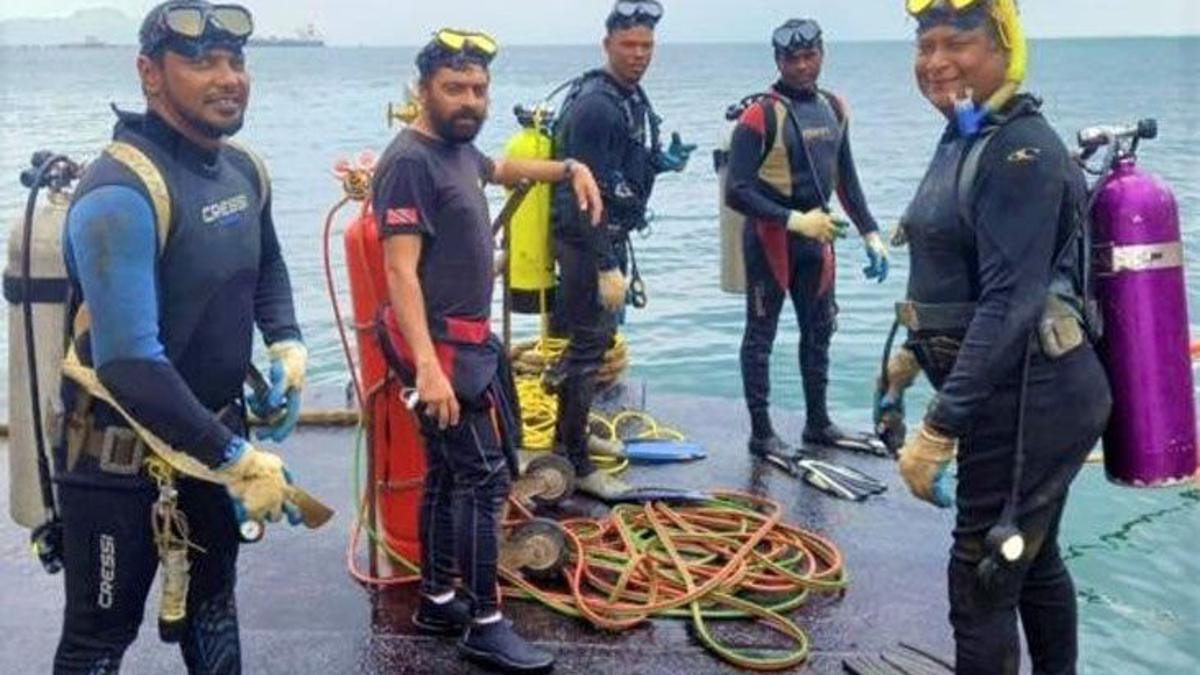
Five commercial divers went underwater off Trinidad on February 25, 2022, expecting to carry out maintenance on an oil pipeline at the Paria Fuel Trading Company facility. Instead, a sudden pressure difference pulled all five men into the 30-inch pipeline. One diver, Christopher Boodram, eventually escaped, but four others remained trapped inside, and a desperate rescue effort was halted because company officials considered it too dangerous. A government inquiry later concluded that Paria’s conduct could amount to gross and criminal negligence.
It Began as a Maintenance Job
The five men worked for Land and Marine Construction Services, or LMCS, a contractor hired to perform maintenance on a 30-inch underwater pipeline at Berth 6 of Paria Fuel Trading’s facility at Pointe-a-Pierre. The pipeline extended from the shore out toward the berth, and the divers were working at a depth of roughly 18 meters when the accident occurred. Nothing about the job suggested the men would become trapped inside the pipe itself.
Then something went catastrophically wrong.
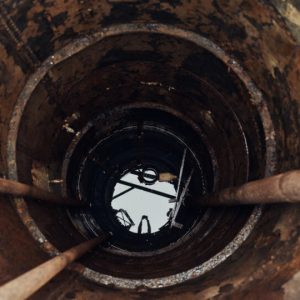
A pressure differential, commonly known in the diving world as Delta P, developed inside the system and created a powerful suction force. The five divers—Kazim Ali Jr, Yusuf Henry, Fyzal Kurban, Rishi Nagassar and Christopher Boodram—were pulled into the pipeline, turning a routine maintenance operation into a fight for survival.
Boodram managed to survive the initial accident. He spent about three hours trapped inside the pipe before being brought out, but the other four men remained inside. By the time the incident was fully understood, the question was no longer how to finish te maintenance job—it was whether the trapped divers could still be saved.
Discover the harrowing true story of the Paria Diving Incident, a tragic industrial disaster off the coast of Trinidad. This video investigates how human error and corporate negligence led to a devastating loss of life. Watch now to uncover the facts, the search for justice, and the scientific lessons behind this tragedy. Don’t miss this gripping and important deep dive.
One Diver Came Out Alive
Boodram’s survival became crucial to what investigators would later learn about the accident. After escaping the pipeline, he was able to describe what had happened inside and confirm that the other men had been pulled into the pipe as well. His account became an important part of the subsequent investigation into how the accident happened and how the response was handled.
For the families waiting onshore, however, the critical information was brutally simple: four men were still missing.
Some relatives and fellow divers believed there was still a chance to reach them. Commercial divers with appropriate equipment were prepared to attempt a rescue, including Michael Kurban, the son of trapped diver Fyzal Kurban. But the rescue effort became entangled in arguments over whether anyone could safely enter the same pipeline that had already trapped the first group.
That decision would eventually become one of the most controversial parts of the entire disaster.
The Rescue Team Was Ready to Go In
According to testimony given later to the Commission of Enquiry, people on the scene were desperate to attempt a rescue. Family members wanted their relatives brought out, while commercial divers were willing to enter the pipeline. Michael Kurban reportedly entered the pipe despite being told not to, although he could not get far enough to reach the trapped men.
Paria’s incident commander and technical operations manager, Colin Piper, defended the decision to stop the divers. He said he believed allowing additional people into the pipeline could have produced another fatality and argued that he had made the best decision he could under the circumstances.
But the rescue effort faced another obstacle: the equipment needed to assess the inside of the pipeline was not immediately available. A remote camera reportedly took several hours to reach the site, and questions were later raised about why rescue divers with suitable equipment were not deployed while the situation remained unresolved. The passage of time became critical.
Four Men Were Still Trapped
The four missing divers were not strangers who had disappeared somewhere in the ocean. They were believed to be inside a known stretch of pipeline beneath the water. That made the delay especially painful for their families, because the question became not simply whether rescuers could reach them, but whether enough time remained to do so.
The eventual inquiry examined whether there had been a genuine rescue response and whether Paria and LMCS had fulfilled their responsibilities toward the men. The Commission found serious failures in the response and said Paria had made little or no attempt to rescue the trapped divers. It also criticized the company’s decision to prevent commercial divers from attempting the rescue.
The tragedy lasted for days, but for the four trapped men, the crucial window was much shorter. They had entered the pipeline during a maintenance operation and became victims of a hazard associated with pressure and fluid flow that had turned the pipe itself into a deadly trap. By the time the full circumstances were understood, all four had died.)
The Inquiry Turned the Disaster Into a Corporate Case
Public pressure after the deaths led the government of Trinidad and Tobago to appoint a Commission of Enquiry. Its 380-page report examined the actions of Paria Fuel Trading, LMCS and individuals involved in the operation, as well as what happened after the divers disappeared inside the pipe. The Commission concluded that Paria’s negligence could be characterized as gross negligence and consequently criminal and recommended that prosecutors consider charging the company with what is commonly known as corporate manslaughter.
The recommendation was not based solely on the accident itself. Investigators focused heavily on the response afterward, including the failure to launch what they considered an adequate rescue effort and the decision to prevent other commercial divers from attempting to reach the trapped men. The report also concluded that both Paria and LMCS had duties toward the safety of the workers.
That distinction is important because a recommendation for prosecution is not the same thing as a criminal conviction. The Commission said there were sufficient grounds for the Director of Public Prosecutions to consider a corporate manslaughter charge, while noting that it did not have a strong enough case to recommend prosecution of a particular individual for manslaughter.
The Survivors Did Not Simply Walk Away
Boodram was the only one of the five divers to survive the accident, but surviving did not mean returning to normal life. In later legal proceedings, he described continuing physical and psychological problems and said the incident left him unable to return to diving work. He has also pursued legal action against Paria and LMCS over the consequences of the disaster.
For the families of the four dead men, the aftermath has been equally long. The tragedy did not end when the bodies were recovered; it continued through the public inquiry, arguments over responsibility and legal proceedings involving the companies and individuals connected to the work. The case became a national debate in Trinidad and Tobago about workplace safety and the obligations of companies responsible for dangerous industrial operations.
The legal fallout also continued beyond the original Commission report. Prosecutors and authorities subsequently pursued regulatory and criminal proceedings concerning alleged safety failures, while the companies and individuals involved have denied wrongdoing in court proceedings. As a result, the story remains not just a historical diving accident but an ongoing fight over responsibility and accountability.
What Really Failed That Day?
The easiest way to remember the Paria disaster would be as a diving accident caused by a sudden pressure differential. But that explanation leaves out the part that made the tragedy so controversial. The accident trapped five men; the response afterward raised questions about preparation, decision-making, rescue capability and whether the people responsible for the site acted quickly enough once they knew four workers were still inside.
Paria’s management argued that sending additional divers into the pipeline without knowing the conditions could have created more victims. That concern was not imaginary—Delta P incidents are known to be exceptionally dangerous, and rescuers can themselves become trapped if the source of the pressure differential is not controlled. But the Commission’s criticism centered on the failure to mount what it considered an adequate and coordinated rescue effort using appropriate resources.
The tragedy therefore leaves a difficult question that extends beyond these five men: when workers are trapped in a dangerous industrial environment, where does the duty to rescue end and the risk to rescuers begin? There is no easy answer, which is why the Commission examined not just the original accident but the decisions made afterward. Its conclusions turned a diving disaster into a broader case about corporate responsibility and the value placed on human life when a rescue becomes dangerous.
Four men entered the pipeline and never came out. One did.And years later, investigators were still examining not only how the men became trapped, but whether more could have been done while they were still alive.
The Paria pipeline disaster began with a sudden Delta P event during what was supposed to be routine underwater maintenance. Five divers were pulled into the pipeline; Christopher Boodram survived, while Kazim Ali Jr, Yusuf Henry, Fyzal Kurban and Rishi Nagassar died. The tragedy became even more controversial because commercial divers were prepared to attempt a rescue but were prevented from doing so, prompting a government inquiry that found serious failures and recommended that Paria be considered for corporate manslaughter prosecution. The central question remains deeply uncomfortable: when four workers are trapped, how much risk should a company take to bring them home?
The events described here are based on DIVE Magazine’s coverage of the 2022 pipeline diving tragedy in Trinidad and Tobago, including the accident, the desperate rescue response and the subsequent investigation into corporate responsibility. Sources: https://divemagazine.com/scuba-diving-news/pipeline-diver-tragedy-corporate-manslaughter