The FBI sent Joe Pistone into the Mafia pretending to be a jewel thief. He was supposed to stay undercover for six months, but the operation lasted nearly five years—and became so successful that the mobsters around him wanted to make him one of their own. Then they demanded proof of his loyalty: a killing. By the time Pistone was finally pulled out, he had gone so deep undercover that his real identity was almost swallowed by the character he had created.
It Was Supposed to Be a Six-Month Undercover Job
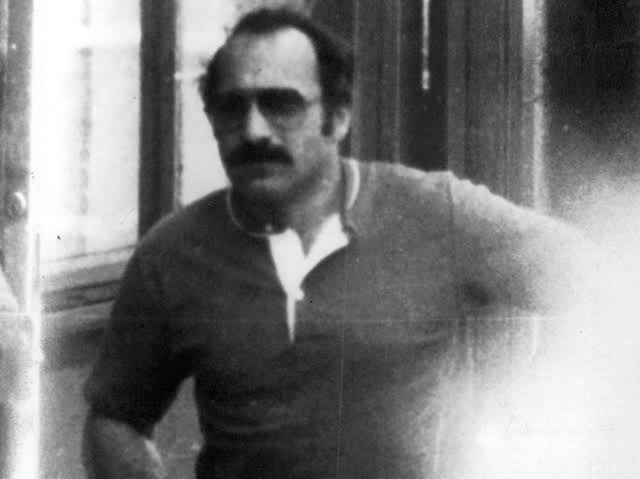
Joe Pistone entered the FBI in 1969, and by the mid-1970s the Bureau was looking for new ways to penetrate organized crime. In New York, investigators were dealing with truck hijackings and stolen goods being moved through Mafia-connected networks, so Pistone was assigned to an undercover operation that was initially expected to last only six months. He was given the identity of Donnie Brasco, a man supposedly involved in jewelry theft and burglary.
Pistone proved so convincing that the FBI kept the operation going. He spent weeks studying the jewelry business so he could speak credibly about his supposed profession, then spent months visiting bars and restaurants where Mafia associates gathered. The goal was not to walk in and announce himself as a criminal; it was to become someone the criminals would gradually decide they could trust.
That required patience as much as acting ability. Pistone learned to remember names and license plates rather than write information down, because taking notes around suspicious mobsters could immediately expose him. He also had to understand when to talk, when to stay quiet and how to behave around men who were constantly looking for signs that an outsider did not belong.
Ever wondered what the real Donnie Brasco life was like? Dive into this gripping sit-down as Michael Franzese and former FBI agent Joe Pistone pull back the curtain. From the rules of the underworld to the high-stakes reality of deep-cover operations, they share untold stories you won’t want to miss. Watch now!
Donnie Brasco Finally Got Inside
For roughly the first year, Pistone was still on the outside looking in. Then his relationships began to change. By 1976, he had gained the trust of important Bonanno figures, particularly Benjamin “Lefty Guns” Ruggiero and Dominick “Sonny Black” Napolitano, two men who would become central to the operation. On Ruggiero’s recommendation, Brasco was brought into their crew.
That was a major breakthrough for the FBI. Pistone was no longer simply collecting information from people on the edges of organized crime; he was getting an inside view of how a Mafia crew actually operated. His undercover work took him through New York and Florida, where he became involved in activities including transferring stolen property, selling firearms, loansharking, extortion and illegal gambling while secretly reporting what he learned to the Bureau.
The danger was also becoming more personal. Pistone’s undercover life kept him away from his wife and children for long periods, and his family was eventually moved out of state for their protection. Every time he entered a room with the men he was investigating, he had to maintain the same identity they believed was real. One mistake could expose not only the operation but potentially put his life and his family’s lives at risk.

The Mafia Started Seeing Him as One of Their Own
The longer Pistone remained inside, the more extraordinary his position became. He was no longer merely tolerated as an associate; he was being considered for something that, from the Mafia’s perspective, represented genuine acceptance. The Bonanno organization was moving toward making Donnie Brasco a “made man,” a formal member of the crime family.
For the FBI, this was both a triumph and a danger. The deeper Pistone went, the more valuable the intelligence became, but deeper involvement also meant greater exposure. He was already being pressured to participate in criminal activities, and he had resisted attempts to involve him directly in killings. On another occasion, mob associates became suspicious when his supposed expertise in burglar alarms raised questions, forcing the FBI to use an informant to protect his cover.
The entire operation depended on Pistone being convincing without crossing a line that could destroy the investigation. He had to look like a criminal while secretly building one of the FBI’s most important organized-crime cases. Eventually, the Mafia’s expectations would push that balancing act to its limit.
Living a double life in the heart of the Mafia. This is the true story of the FBI agent the Mafia wanted dead. You don’t want to miss this! Check it out here.
Then They Asked Him to Kill
In 1981, Sonny Black had risen to acting boss, and the pressure on Donnie Brasco became much more serious. According to The Mob Museum, Napolitano ordered Pistone to kill an adversary in Florida as proof that Brasco deserved “made” status. Pistone knew he needed to make it appear that he had carried out the order, but the FBI could not simply allow its undercover agent to commit a murder.
The Bureau developed a desperate alternative. Investigators planned to kidnap the intended target and create the impression that he had been killed, giving Pistone a way to satisfy the Mafia’s demand without actually carrying out a murder. But the plan encountered an immediate problem: the FBI could not locate the man they were supposed to abduct.
At that point, the operation had reached a dangerous boundary. Pistone had spent nearly six years earning the trust of criminals, but the same trust that made the investigation successful was now putting him in increasing danger. The FBI decided there was no longer a safe way to continue. The undercover operation was finally brought to an end, and Pistone was withdrawn so he could begin testifying as himself in federal cases.
The Mafia Discovered Who Donnie Brasco Really Was
On July 26, 1981, Sonny Black and other Mafia figures learned the truth. The man they had known as Donnie Brasco was not a jewel thief trying to move up in the underworld. He was FBI Special Agent Joe Pistone, and he had spent years secretly documenting the people, operations and relationships inside their organization.
The revelation came as a devastating shock to the men who had trusted him. Pistone had not merely attended their social gatherings; he had penetrated deep into the Bonanno family and gained access to information the FBI had previously struggled to obtain. The Bureau described the operation as an intelligence gold mine because it provided firsthand knowledge of the Mafia’s players, rackets and internal rules across New York, Florida, Michigan and elsewhere.
For Pistone, however, the end of the operation did not mean the danger disappeared. The Mob had learned his true identity, and the FBI understood that his life remained at risk. His family had already been protected during the operation, and the threat that followed the exposure helped shape the rest of his career.

What Five Years Undercover Did to the Mafia
Once Pistone was out, the evidence he had gathered became the foundation for a series of federal prosecutions. His testimony in the 1980s produced about 200 indictments and 120 convictions of Mafia associates, according to The Mob Museum. The FBI says the operation ultimately resulted in more than 100 federal convictions and dealt a serious blow to the Bonanno family.
The importance of the operation went beyond the individual arrests. Before Pistone, the Mafia’s inner circles had been extremely difficult for investigators to penetrate because of the organization’s culture of secrecy and silence. Donnie Brasco showed that a long-term undercover operation could reach people and information that conventional surveillance often could not.
Pistone’s work also influenced how the FBI approached organized crime in later decades. The Bureau continued using long-term undercover operations, and the strategy pioneered during his investigation became an important part of its approach to penetrating criminal organizations. What began as a six-month assignment had turned into a nearly six-year operation that changed how federal investigators went after the Mafia.
The Man Behind Donnie Brasco
Joe Pistone eventually retired from the FBI and became one of the best-known figures associated with undercover work. His story later became the basis for the 1997 film Donnie Brasco, starring Johnny Depp as Pistone and Al Pacino as Benjamin “Lefty” Ruggiero. But the real operation was more than a movie plot: Pistone spent years maintaining a false identity, gathering intelligence and living with the knowledge that discovery could have been fatal.
What makes his story remarkable is not simply that he fooled the Mafia. It is how long he managed to keep doing it. The FBI had initially expected a short investigation, yet Pistone remained inside for nearly six years, long enough to become someone the Bonanno family wanted to formally accept as one of its own.
The final irony is that the closer Donnie Brasco came to becoming a Mafia member, the closer Joe Pistone came to having to leave everything behind. The identity he had created had become so convincing that the people around him were ready to make it permanent. Then they asked him to prove his loyalty in the one way the FBI could not allow.

Joe Pistone entered the Mafia as Donnie Brasco expecting a six-month undercover assignment and ended up spending nearly six years inside one of America’s most powerful crime families. He earned the trust of men who were prepared to make him one of their own, but that success eventually became the greatest threat to the operation when they demanded that he kill to prove his loyalty. The FBI finally pulled him out before the line could be crossed. His testimony later helped produce hundreds of indictments and convictions, making Donnie Brasco one of the most consequential undercover operations in FBI history.
Joe Pistone spent years undercover as “Donnie Brasco,” gaining access to the Mafia from the inside and eventually helping expose its operations in ways traditional investigations could not. His remarkable double life is the foundation of the story presented here. Sources: https://themobmuseum.org/notable_names/joe-pistone/