At 9:45 p.m. on April 20, 2010, the crew of the Deepwater Horizon was dealing with a well that had already begun to behave abnormally. Four minutes later, gas and oil surged onto the rig and two explosions ripped through the structure, killing 11 workers and turning a routine operation into a catastrophe. The disaster was not caused by one sudden mistake. It was the final result of a series of warning signs, equipment failures and decisions that had been building beneath the rig long before anyone saw the flames.
The Problem Started Far Below the Rig
Deepwater Horizon was drilling the Macondo well in the Gulf of Mexico for BP, with Transocean operating the rig and Halliburton involved in cementing work. By the evening of April 20, the crew was preparing to complete work on the well, but hydrocarbons had begun moving into the wellbore. Investigators later determined that the well’s cement barriers had failed to contain the pressure coming from deep underground, allowing oil and gas to push upward.
The danger was not immediately obvious to everyone on the rig, but pressure readings had already provided a warning. According to BP’s own timeline, pressure increased roughly 40 minutes before the explosion, yet significant action was not taken immediately. The investigation later identified weaknesses in cement design and testing, risk assessment and quality assurance as part of the chain of failures that allowed the situation to deteriorate.
How do you stop an oil leak 5,000 feet underwater? Dive deep into the engineering race to plug the Deepwater Horizon disaster. Watch the full story now!
Then the Warning Signs Became Impossible to Ignore
As hydrocarbons moved farther up the well, the pressure continued to build. Gas alarms began sounding, the drill-pipe pressure rose sharply and the rig was being subjected to conditions that were becoming increasingly difficult to control. At around 9:45 p.m., a call was made indicating that the well was blowing out and that it was being shut in. The statement sounded reassuring, but the situation was already far beyond routine control.
What happened next took only minutes. The flow of oil and gas was routed toward the rig’s mud-gas separator, a decision BP’s report later said may have reduced the time available to respond to the emergency. Instead of being contained, the hydrocarbons reached the rig floor, where the gas ignited. At approximately 9:49 p.m., power was lost, followed by a huge explosion and another blast about 10 seconds later.

Eleven Men Never Came Back
The explosions turned the Deepwater Horizon into a burning offshore emergency almost instantly. Eleven workers were killed, 17 others were injured, and the crew faced a fire that could not be brought under control. The structure continued burning while rescue efforts focused on getting surviving workers away from the rig and into lifeboats or the surrounding sea.
For the people watching from the Gulf, the immediate disaster was the burning platform. But the event had created another problem that was much harder to see: the Macondo well was still releasing hydrocarbons beneath the ocean. The rig eventually sank on April 22, but the well continued flowing, turning a deadly industrial accident into a massive environmental disaster.
The Well Would Not Simply Stop
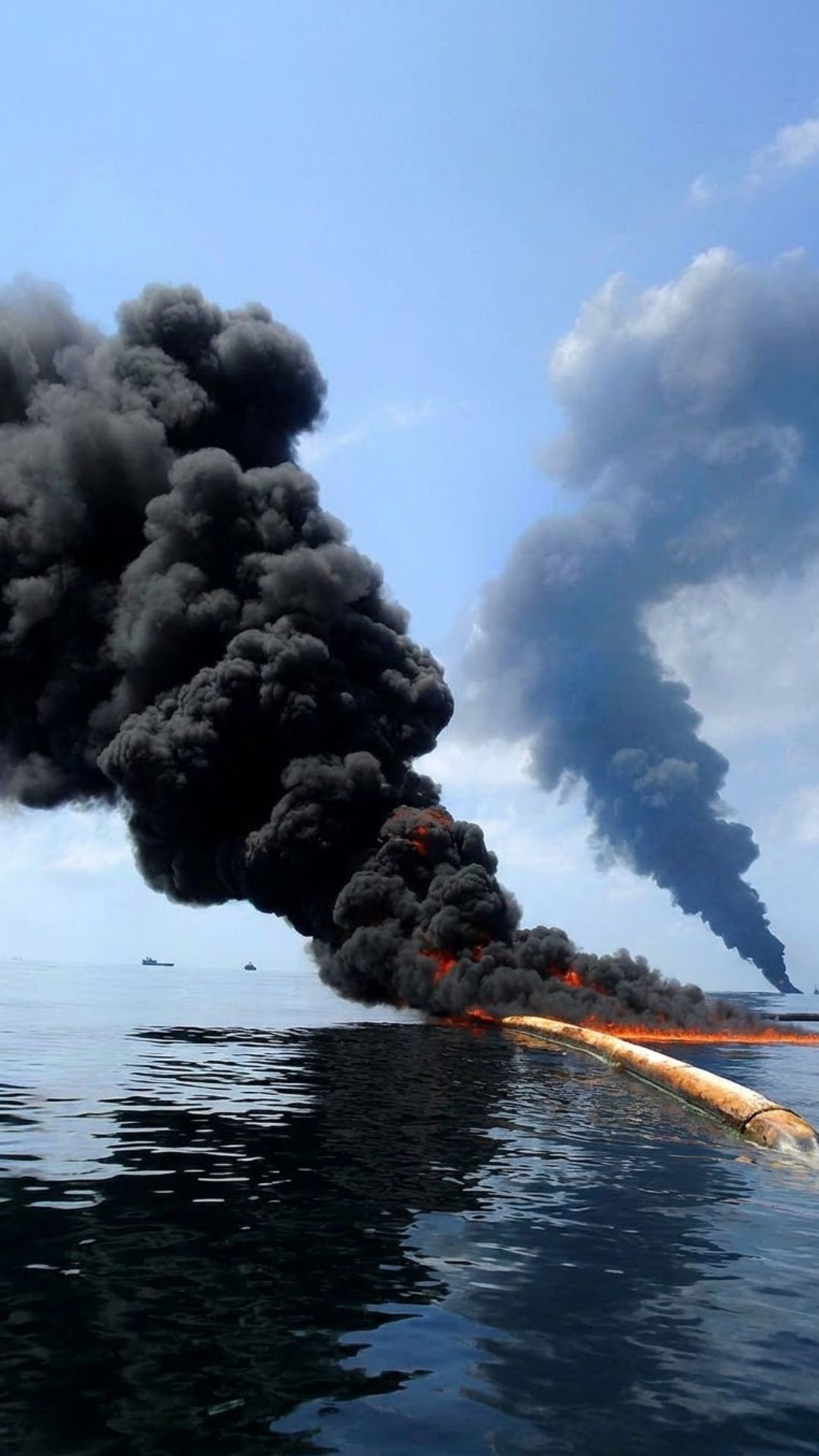
Once Deepwater Horizon was gone, the problem moved from the rig to the seabed. The damaged well continued releasing oil into the Gulf of Mexico, and efforts to regain control became a prolonged engineering challenge carried out thousands of feet below the surface. Over the following weeks, crews attempted multiple methods to contain or stop the flow while oil spread through the surrounding waters.
The scale of the spill grew with every passing day. By late September, scientists estimated that approximately 4.4 million barrels of oil had been released into the Gulf during the nearly three months the well was leaking. What had begun with a few minutes of chaos on an offshore rig had become a disaster stretching across an entire region.
It Took Five Months to Finally Kill the Well
Stopping the leak required more than repairing a damaged piece of equipment. Engineers eventually had to work through the well itself, using drilling and cementing operations to isolate the source of the flow far below the surface. A “static kill” operation in August used heavy drilling mud and cement in an attempt to regain control, followed by additional work to permanently seal the well.
By September 19, 2010, the well had passed a pressure test after a final cement plug was installed. The U.S. government declared it effectively dead, nearly five months after the original explosion. By then, Deepwater Horizon was no longer simply the story of a destroyed oil rig; it had become one of the defining industrial and environmental disasters in modern American history.

The Disaster Was a Chain, Not a Single Mistake
The most important lesson from the investigation was that Deepwater Horizon did not fail because of one isolated moment. BP’s 234-page internal report identified eight main causes and acknowledged that its managers had missed important warning signs before the explosion, while also assigning substantial responsibility to Transocean and Halliburton. The later U.S. investigation similarly concluded that a combination of failures allowed the hydrocarbons to enter the well and then reach the rig, where they ignited.
That is what makes the final minutes so unsettling. At 9:45 p.m., the crew still had a functioning offshore rig beneath their feet and a problem they believed could be brought under control. Four minutes later, the rig was on fire, 11 men were dead and the well beneath them had become the source of an oil spill that would continue for weeks. The explosion was sudden, but the chain of events that led to it had been developing long before the first flame appeared.

Deepwater Horizon is often remembered as a massive explosion followed by an enormous oil spill, but the timeline tells a more troubling story. The disaster emerged from a sequence of failures that began deep inside the well and moved upward through decisions, pressure changes, alarms and equipment until there was almost no time left to react. At 9:45 p.m., the crew was still fighting to control the problem. Four minutes later, 11 men were dead, the rig was burning and the United States was facing an oil disaster that would take nearly five months to finally bring under control.
This story was developed from The Guardian’s detailed timeline of the Deepwater Horizon disaster, focusing on the warnings, critical decisions and events that unfolded before and after the rig exploded. Sources: https://www.theguardian.com/news/datablog/2010/sep/09/bp-oil-spill-deepwater-horizon-timeline