Have you ever arrived at your destination and suddenly realized you barely remembered the drive? You know you followed the road, stopped when necessary and somehow reached the right place, yet large parts of the journey seem to have disappeared from memory. This strange experience is often described as highway hypnosis, sometimes called automatic driving—a state in which a familiar task becomes so routine that the mind drifts elsewhere while the driver continues performing basic actions. But despite its name, highway hypnosis is not the same as being asleep at the wheel, and understanding the difference is important for driving safety.
You Arrive at Your Destination — But You Can’t Remember the Journey
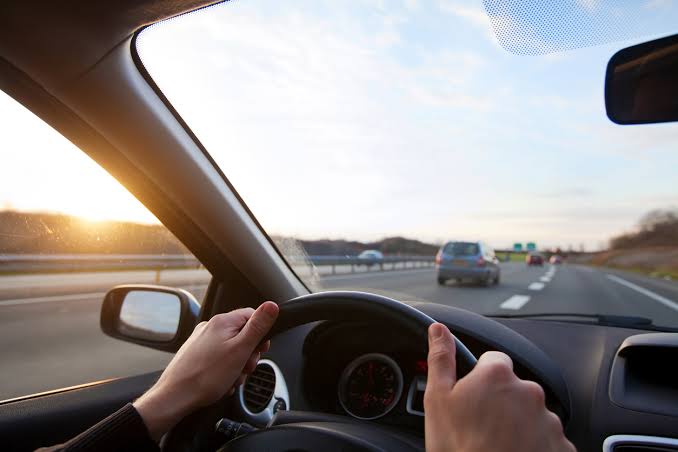
Imagine driving along a familiar route while thinking about work, family, an upcoming meeting or something that happened earlier in the day. Then suddenly, you look around and realize you are much farther along the road than you expected.
You may remember getting into the car and eventually arriving at your destination, but the middle of the journey feels strangely blank.
That experience is often referred to as highway hypnosis. The driver remains physically capable of operating the vehicle, responding to familiar traffic situations and following a known route, yet conscious attention may no longer be focused on every action.
The experience can feel unsettling because driving is an activity that normally seems to require constant concentration. How can someone safely control a vehicle without remembering much of what happened?
The answer lies partly in the remarkable ability of the human brain to automate familiar behaviors.

Your Brain Can Perform Familiar Actions Almost Automatically
Human beings do not consciously think about every movement they make.
When learning a new skill, every action demands attention. A beginner learning to drive may have to consciously think about steering, mirrors, braking, speed and traffic at the same time. With experience, many of those individual actions become easier and more automatic.
The same thing happens with other familiar skills. You do not usually think about every muscle involved when walking. An experienced cyclist does not consciously calculate how to maintain balance every second.
Driving can become similar.
On a familiar road, an experienced driver may automatically perform basic tasks while the conscious mind begins thinking about something entirely unrelated. The hands remain on the wheel, the feet operate the pedals and the vehicle continues moving in the correct direction.
This helps explain why someone may complete a familiar journey and later struggle to remember specific sections of it. The brain may have been processing the road well enough to continue the routine, but not forming strong memories of every moment.
In other words, the car keeps moving even while conscious attention partially drifts away.
Watch the video below to see how highway hypnosis can make a familiar drive feel almost automatic. The unsettling part is that you may reach your destination safely—while barely remembering how you got there.
Highway Hypnosis Is Not the Same as Falling Asleep
This distinction is extremely important.
Highway hypnosis or automatic driving is often confused with drowsy driving, but the two are not identical.
A driver experiencing automaticity may still be awake and capable of responding to the environment. The issue is that attention and memory may feel reduced because the task has become highly familiar and repetitive.
Drowsy driving is different. When a person becomes genuinely sleepy, reaction time, judgment and coordination can deteriorate. The driver may experience heavy eyelids, difficulty maintaining focus, repeated yawning or an inability to remember recent moments clearly.
The most dangerous situation occurs when a driver mistakes genuine fatigue for harmless zoning out.
Someone might think, I’m still driving normally, while their ability to respond to a sudden hazard is already declining. The transition from reduced attention to microsleep or actual sleep can be dangerous because it may happen before the driver fully understands how impaired they have become.
That is why highway hypnosis should never be used as an excuse to continue driving when the body is clearly demanding rest.
Long, Straight and Monotonous Roads Can Make It Easier to Zone Out
Certain driving environments may make automatic driving more likely.
A long highway with few turns, repeated scenery and little variation provides relatively little stimulation compared with a crowded city street. The sound of the engine, the steady movement of the road and the repetition of familiar actions can create an environment in which the mind begins wandering.
Night driving may add another layer of difficulty. Darkness reduces visual stimulation, while long-distance travel can contribute to fatigue. A route that feels easy because it is familiar may actually encourage a driver to pay less conscious attention.
This does not mean highway hypnosis can occur only on highways.
A person may experience the same sensation while driving home from work on a route traveled hundreds of times. The more predictable the journey becomes, the easier it may be for the mind to shift toward other thoughts.
That can explain why time occasionally seems to disappear during a routine drive.
You may remember leaving one major intersection and then suddenly find yourself several kilometers farther down the road with almost no memory of the distance in between.

The Most Dangerous Moment Is When You Don’t Notice You’re Losing Focus
The unsettling thing about reduced attention is that people are not always immediately aware of it.
A driver may believe they are fully alert because the vehicle remains in its lane and the route continues to feel familiar. But attention can gradually decline without producing an obvious warning signal.
There are several signs that should be taken seriously. Missing road signs, failing to remember the last few minutes of driving, drifting within a lane, repeatedly correcting the steering wheel or feeling unusually heavy-eyed may indicate that fatigue is becoming a serious problem.
The difference between automatic driving and dangerous drowsiness can become blurred when a person is tired.
If your eyes are closing, your head is nodding or you are struggling to remember what just happened on the road, the answer is not simply to turn up the music and continue.
Opening the window or playing louder music may create a temporary feeling of stimulation, but neither replaces sleep.
A tired brain needs rest.
How to Stay More Alert During a Long Drive
The most effective way to prepare for a long drive is to begin the journey well rested.
During extended trips, regular breaks can help reduce physical and mental fatigue. Getting out of the vehicle, stretching and taking time away from the road can provide an important reset.
Having a conversation with a passenger or listening to something that requires active attention may also help reduce the feeling of monotonous isolation. However, drivers should avoid distractions that take their focus away from the road.
It is also important to understand that caffeine has limitations. Coffee or other caffeinated drinks may temporarily increase alertness, but they do not replace sleep. Someone who is severely sleep-deprived can still become dangerously tired after consuming caffeine.
If genuine drowsiness appears, the safest decision is to stop in a safe location and rest before continuing.
No destination is important enough to justify driving while the brain is beginning to shut down.
Your Hands May Know the Road Even When Your Mind Drifts Away
Highway hypnosis is fascinating because it reveals how efficiently the human brain can perform learned behaviors.
A person can navigate a familiar route, operate a complex machine and respond to routine situations without consciously analyzing every movement. That ability is useful in daily life. If every familiar task required complete conscious attention, ordinary activities would quickly become mentally exhausting.
But driving is not a completely predictable activity.
Another vehicle can suddenly change lanes. An animal can enter the road. Traffic can stop without warning. A familiar journey can become dangerous in a single second.
That is why automatic driving should never be confused with truly paying attention.
Your hands may know the route. Your feet may know which pedal to press. Your brain may recognize the road without conscious effort.
But safe driving still depends on remaining ready for the moment when something unexpected happens.

The strange experience of highway hypnosis shows how easily a familiar activity can become partly automatic. You may drive for kilometers, follow the correct route and arrive safely while remembering surprisingly little about the journey. But the experience should never be confused with harmlessness if fatigue is involved. A familiar road may encourage your mind to drift, yet drowsiness can quickly turn reduced attention into a genuine danger. The road may be familiar, but every journey still demands a driver who is awake, alert and ready for whatever appears next.