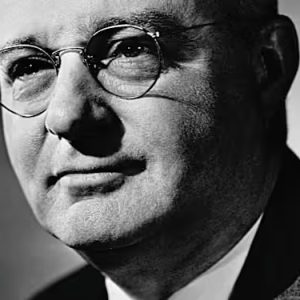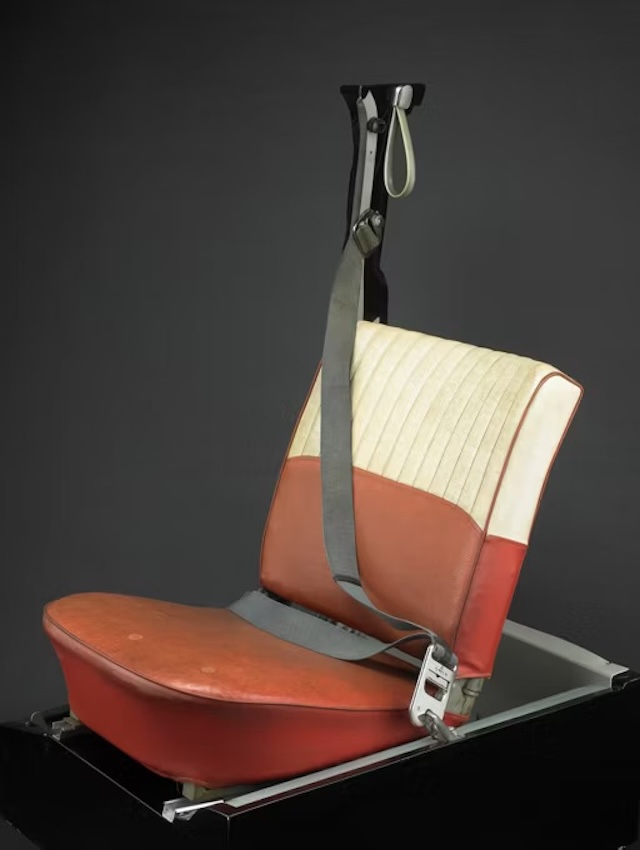
Every time a driver clicks a seat belt into place, they are using a design that is more than 65 years old. In 1959, Volvo engineer Nils Bohlin perfected the modern three-point safety belt, combining a lap belt with a diagonal strap across the chest. The design was simple, practical and built around the human body rather than the mechanics of the car. Volvo later made the patent available to other manufacturers, allowing the design to spread throughout the automobile industry. Volvo estimates that the three-point belt has helped save more than one million lives worldwide.
Cars Already Had Seat Belts Before 1959
Seat belts did not suddenly appear in 1959. Earlier automobiles had already been fitted with various restraint systems, including simple lap belts and experimental harnesses. The problem was that a restraint system needed to do more than simply keep someone from moving forward. It had to hold the body securely while distributing the forces of a crash in a way the human body could tolerate.
Some early designs were inconvenient, difficult to use or provided protection only to certain parts of the body. Engineers were therefore still searching for a practical system that drivers and passengers would actually use every day. That was the problem Nils Bohlin was asked to solve when he joined Volvo. His answer would eventually become one of the most familiar pieces of safety equipment in the world.
Did you know one simple invention has saved over a million lives? Discover the fascinating story of the Volvo three-point seatbelt and why this life-saving design was shared with the world for free. Watch the full video to learn about this incredible innovation in automotive history!
Nils Bohlin Designed The Belt Around The Human Body
Bohlin had already worked in aviation before joining Volvo. At Saab, he had been involved in the development of aircraft ejection-seat systems, where the challenge was keeping a pilot securely positioned during extreme forces. At Volvo, he faced almost the opposite problem: designing a restraint that would keep an ordinary person safely inside a car during a crash. The solution was the three-point configuration.
One part of the belt crossed the hips, while another ran diagonally across the chest and shoulder. Both sections connected at a single buckle, creating three points of attachment to the vehicle.
The arrangement was deliberately simple. Instead of restraining only the waist or holding the upper body separately, it positioned the belt across parts of the body capable of handling crash forces more effectively. That basic geometry is still recognizable in modern cars.

The Three Points Do More Than Hold You In Place
The genius of the design is easier to appreciate during a crash.
A vehicle can stop extremely quickly, but the people inside continue moving forward because of inertia. Without a restraint, the body can strike the steering wheel, dashboard or other parts of the vehicle, or be partially or completely ejected.
A properly worn lap-and-shoulder belt changes that sequence. It restrains the body, spreads forces over stronger areas and allows the occupant to slow down with the vehicle rather than continuing forward independently. NHTSA identifies these functions—including preventing ejection, distributing crash forces and protecting the head and spinal cord—as key ways safety belts reduce injuries.
The effectiveness is substantial. NHTSA says correctly used lap-and-shoulder belts reduce the risk of fatal injury to front-seat occupants of passenger cars by about 45% and the risk of moderate-to-critical injury by about 50%. The mechanism is not complicated. The remarkable part is that the same basic idea continues to work decades later.
Volvo Put The Design Into Production
Volvo introduced the three-point belt in its cars in 1959, and the company quickly recognized that its value extended beyond its own vehicles.
Instead of treating the patent as a technology that competitors should pay to use, Volvo made it available to other manufacturers. That decision helped the design spread throughout the automobile industry rather than remaining a distinctive feature of one brand. This is one of the most unusual parts of the story.
A company had developed a safety technology that could have been used as a commercial advantage. Instead, Volvo chose to make the design broadly available.
As more manufacturers adopted three-point restraints, the basic geometry became increasingly familiar to drivers around the world.
A device that began as a Volvo engineering project was becoming an industry standard.
Ever wonder how seatbelts actually save lives? In this video, we dive deep into the genius engineering behind modern safety systems. From inertia-based locking to life-saving pre-tensioners, discover how these mechanisms work to keep you safe. Click now to learn the science behind your car’s most important feature!
One Simple Invention Became A Global Safety System
The three-point belt did not work alone. Modern vehicle safety now combines belts with airbags, crumple zones, stronger passenger compartments, electronic stability systems and other technologies.
But the belt remains fundamental because it positions the occupant so those other systems can work more effectively.
The numbers illustrate its continuing importance. NHTSA estimates that seat belts saved 14,955 lives in the United States in 2017 alone, while thousands more could have survived had they been wearing one. In 2024, nearly half of passenger-vehicle occupants killed in crashes were not restrained, based on cases where belt use was known.
Volvo estimates that its three-point belt has helped save more than one million lives worldwide. That figure is the company’s estimate rather than a universally measured global count, but independent safety research strongly supports the underlying conclusion: lap-and-shoulder belts are among the most effective safety technologies ever introduced into passenger vehicles. The extraordinary part is how little the basic idea has changed.

The Seat Belt Became More Important Than The Car Itself
Some automotive inventions make a car faster, more comfortable or more efficient. The three-point safety belt changed something more fundamental: what happens to a human body when a vehicle suddenly stops.
Nils Bohlin’s design succeeded because it solved a human problem with an unusually simple piece of engineering. The belt did not need electronics, sensors or complex mechanisms to perform its essential job. It needed the right geometry, the right placement and a design people could use every day.
And then Volvo made that design available to the rest of the industry.
More than six decades later, the three-point belt has become so ordinary that most drivers barely notice it. Yet every time that familiar click locks the belt into place, it represents one of the most consequential engineering decisions ever made for the automobile. A technology that could have become a competitive advantage instead became a shared safety standard. That may be the most important thing Volvo ever gave the automobile industry.
The three-point safety belt is remarkable because its greatest achievement is almost invisible. Nils Bohlin’s 1959 design turned a simple restraint into a system that protects the body by distributing crash forces and preventing dangerous movement. Volvo then opened the patent to other manufacturers, allowing the idea to spread far beyond its own cars. Volvo estimates that the design has helped save more than one million lives worldwide, while independent safety research confirms that modern lap-and-shoulder belts remain among the most effective ways to reduce serious injuries and fatalities in crashes.
The original Volvo heritage story traces how Nils Bohlin developed the modern three-point safety belt in 1959 and explains why the company chose to make the patent available to other manufacturers. Additional safety research shows how the simple design continues to protect vehicle occupants decades after its introduction. Source: https://www.volvogroup.com/en/about-us/heritage/three-point-safety-belt.html