Deep in a remote, mountainous part of northern Vietnam, Thanh built a life that looks almost completely different from modern city living. There is no conventional power connection, no nearby shopping center and no heavy machinery helping him construct his home. Instead, he built a wooden cabin by hand, developed a productive garden around it and eventually installed a small water-powered turbine to generate electricity. What began as a decision to leave the city gradually became something much more ambitious: a functioning rural home built almost entirely around the resources available in the surrounding landscape.
He Started With A Wooden Cabin In The Forest
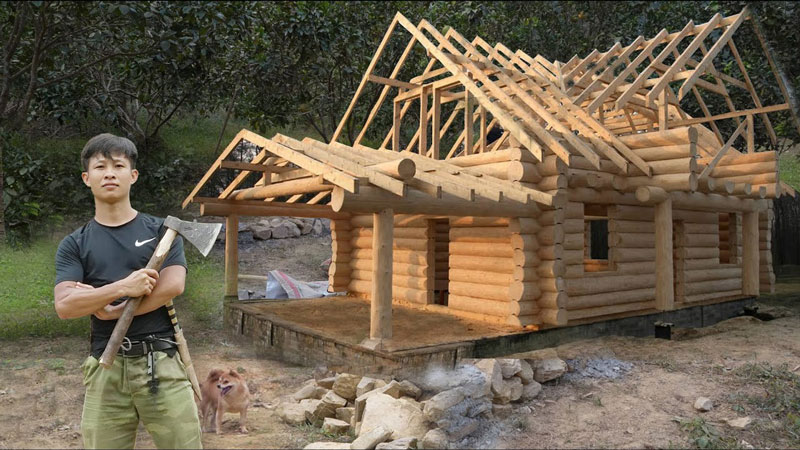
The first step was creating somewhere to live. After settling in the remote countryside, Thanh began constructing a wooden cabin using basic tools and materials, working through the structure piece by piece rather than relying on a construction crew or heavy equipment.
The cabin became the center of everything that followed. It provided shelter and a place to rest, but it also gave him a permanent base from which to develop the surrounding land. The project required more than simply putting up four walls: the structure had to be adapted to a humid environment and changing temperatures while remaining practical for everyday life.
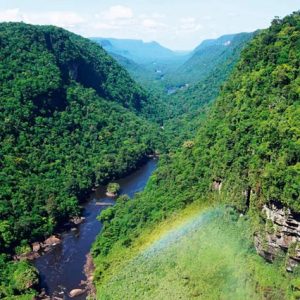
What makes the story visually compelling is the contrast between the simple cabin and the dense landscape around it. Instead of arriving at a finished homestead, Thanh gradually turned an isolated piece of land into a place that could support his daily needs.
Ever wondered if you could build a self-sufficient life from scratch in the wild? Follow Khoi’s incredible 10-month journey as he transforms a rugged jungle into a thriving, off-grid paradise. From carving timber homes to generating electricity, witness the ultimate masterclass in nature-connected living. Watch the full transformation now!
The Garden Became Part Of The Household
Once the cabin was established, food became the next major priority. Thanh developed growing areas around the house, cultivating vegetables, roots and fruit suited to the local environment.
The garden eventually became more than a source of food for his own meals. He began harvesting and selling part of the produce at local markets, creating an income stream that could help pay for tools and other basic supplies.
That detail changes the way the project can be understood. This was not simply someone trying to disappear into the forest and live entirely without money. Instead, he created a small rural system in which land produced food, some of that production generated income, and the income could be put back into maintaining and expanding the homestead.

Then He Turned Running Water Into Electricity
The most interesting part of the setup came when Thanh needed electricity. Being far from conventional infrastructure meant that simply connecting the cabin to the electrical grid was not an option, so he looked toward a resource that was already flowing through the landscape: water.
He installed a small generator powered by a water turbine, using the moving water around the cabin to produce electricity. Before installing the equipment, he had to prepare the watercourse by clearing stones, branches and sediment so the flow could remain sufficiently stable for the system.
The turbine then had to be positioned and secured, with wiring running from the generator toward the cabin. After adjustments and testing, the system provided electricity for basic lighting and other small everyday needs.
It is a remarkably simple idea, but it demonstrates an important principle of small-scale energy systems: electricity does not necessarily have to arrive through a huge centralized network. In the right environment, a modest flow of water can become part of a much smaller local power system.
The Forest Became A Working System
With a cabin, cultivated land and a source of electricity in place, the property gradually became more than an isolated home. Each part supported another.
The cabin provided shelter. The garden produced food. Selling some of the harvest provided money for supplies. The water turbine supplied electricity for basic needs. Maintenance, planting, harvesting and construction then became part of a continuous routine.
That is what makes the story more interesting than the familiar idea of someone simply “living off the grid.” The impressive part is not one individual trick or piece of equipment. It is the way several relatively simple systems were combined into a functioning household.
The project also required constant manual work. Living outside a conventional urban infrastructure means that many tasks normally handled by utilities, contractors or nearby businesses have to be solved directly by the person living there.
His Daily Life Eventually Reached Millions Of Viewers
Thanh began documenting the process on video, showing construction work, farming, harvesting, cooking and the maintenance required to keep the property functioning.
The videos attracted substantial attention online because they offered something very different from the highly connected environment most people experience every day. Viewers could watch the homestead develop step by step rather than simply seeing a finished cabin presented as a lifestyle fantasy.
There is also a practical appeal to the footage. A wooden structure being assembled, crops being harvested or a water turbine being installed gives viewers something concrete to understand. The story is not only about escaping the city; it is about the physical work required to replace some of the services that cities normally provide automatically.
The Cabin Is Still A Work In Progress
Thanh’s life in the forest is not presented as a finished experiment. The cabin continues to receive improvements, the cultivated area can expand, and new projects can be added as the property develops.
That may be the most important detail of the entire story. A self-sufficient home is not something that appears overnight. It is built through hundreds of small decisions: where to construct, what to grow, how to obtain water, how to generate electricity, what to sell and what to produce for yourself.
Seen this way, the wooden cabin is only the visible center of a much larger system. Around it are fields, water, tools, crops and infrastructure that have gradually turned a remote piece of forest into a functioning rural household.
Thanh’s story is compelling because he did not simply leave the city and disappear into the forest. He gradually built an entire working system around a small wooden cabin, combining agriculture, local resources and a water-powered generator to create a practical rural home. The garden provides food and income, while flowing water can be turned into electricity for basic needs. It is a reminder that independence is rarely created by one dramatic decision. Instead, it is built piece by piece, through skills, labor and careful use of the resources already available.
The original report documents Thanh’s cabin, garden, water-powered generator and daily routine in northern Vietnam. The story was published by Click Petróleo e Gás in January 2026, with the footage attributed to Thành Triệu TV. Source: https://en.clickpetroleoegas.com.br/homem-vive-isolado-floresta-vietna-vida-rural-sustentavel-dsca00/