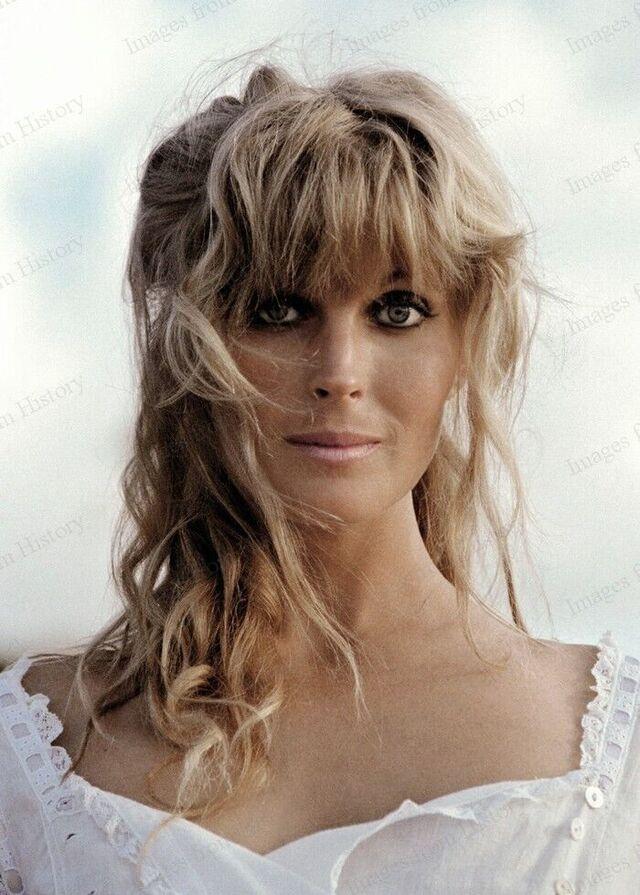
For a generation of moviegoers, Bo Derek was one of Hollywood’s most recognizable faces. Her appearance in the 1979 film 10 turned her into an international star almost overnight, creating an image that followed her for decades. But the more interesting part of Derek’s story came after that fame: her lifelong relationship with horses gradually became a serious pursuit, then an animal-welfare cause, and eventually a professional role inside California’s horse-racing system. Her second act was not about recreating Hollywood success. It was about building an entirely different identity around horses, advocacy, and business.
Bo Derek’s Hollywood Fame Began With 10
Born Mary Cathleen Collins in Long Beach, California, in 1956, Bo Derek entered acting and modeling before becoming internationally famous as the star of Blake Edwards’ 1979 romantic comedy 10. The film made her instantly recognizable, particularly through the famous beach-running sequence that became one of the most memorable images of late-1970s Hollywood. HISTORY describes 10 as the film that established her as a major sex symbol, a status that remained strongly associated with her public image long after the movie itself disappeared from theaters.
That kind of fame can be difficult to escape. Once an actor becomes identified with one particular image, every later project tends to be compared with the moment that created the image in the first place. Derek continued acting in films and television, but her long-term story gradually became less about Hollywood glamour and more about an interest that had been part of her life for years: horses.
The transition was not an overnight decision. It developed slowly as her involvement with horses became increasingly serious and eventually gave her a completely different professional purpose.
Is Katherine telling the truth, or is it all in her head? Watch Bo Derek deliver a gripping performance in Frozen With Fear!
Her Connection With Horses Became a Way of Life
Derek’s relationship with horses was much deeper than a celebrity hobby. She maintained a ranch in Santa Ynez, California, and at one point owned more than 30 horses. By 2006, when The Washington Post profiled her activism, she was keeping a smaller group but remained deeply involved in riding and horse ownership.
Her connection with horses also became the subject of a 2002 book, Riding Lessons: Everything That Matters in Life I Learned from Horses. The title itself reveals how central horses had become to the way she understood her life. Rather than treating riding as an accessory to her Hollywood career, Derek increasingly presented horsemanship as a source of discipline, perspective, and personal meaning.
That shift helps explain why her later career feels so different from her earlier public image. Hollywood had made her famous for how she looked. Horses gave her a field in which knowledge, experience, patience, and responsibility mattered far more than celebrity.

The Horse-Slaughter Debate Changed Her Role From Rider to Advocate
Derek’s involvement in horse welfare became particularly visible in the mid-2000s, when she traveled to Washington to lobby Congress over legislation concerning the slaughter of American horses for human consumption overseas. At the time, lawmakers were debating the American Horse Slaughter Prevention Act, which sought to prohibit the transport and sale of horses for that purpose.
Her involvement placed her in a politically complicated debate. Supporters of the legislation argued that horses were being transported and handled in ways they considered inhumane, while opponents raised questions about property rights and what would happen to unwanted horses if slaughter facilities disappeared. Derek publicly supported the ban and used her visibility to meet with lawmakers, while the broader campaign involved animal-welfare groups, horse owners, and other advocates.
What made Derek unusual in this environment was not simply that she was a celebrity. She had become an informed participant in a subject connected directly to her life with horses. Her congressional appearances showed that she was willing to put her public reputation behind an issue that had little connection to the Hollywood persona for which she was originally known.

Discover the timeless grace of Bo Derek! In this exclusive interview, the iconic star shares insights on her 15-year romance with John Corbett, her refreshing beauty secrets, and her heartfelt new Bo Derek Pet Care line. Watch now to see how she balances life, love, and giving back to retired military dogs.
Her Celebrity Became a Tool Rather Than the Main Attraction
The Washington lobbying campaign revealed a major change in Derek’s relationship with fame. The same public recognition that had once been used to sell films could now attract attention to an animal-welfare issue that might otherwise have struggled to reach a national audience.
A 2006 Washington Post profile described Derek moving through congressional offices, meeting senators, consulting notes, and pressing lawmakers on the horse-slaughter issue. The story also noted that her celebrity opened doors, with even politicians who disagreed with her position often stopping to take photographs with her.
That detail captures the unusual power of a recognizable name. Derek did not become a policymaker, but she could influence the visibility of a policy debate simply by showing up. Her second act was therefore not a rejection of her old fame; it was a repurposing of it.
Instead of asking Hollywood to give her another role, she was using the attention she already had to participate in a cause she personally cared about.
Discover the touching tribute Bo Derek paid to the legendary Julie Andrews at the AFI Life Achievement Awards. Watch this heartfelt moment as she honors the iconic bond between Julie and Blake Edwards. Click the link to experience this unforgettable celebration now!
The California Horse Racing Board Took That Work Further
Derek’s involvement with horse welfare eventually moved beyond advocacy and into a formal institutional role. She served as a commissioner of the California Horse Racing Board from 2008 through 2015, a position that placed her inside the regulatory structure governing the state’s horse-racing industry.
The Del Mar Thoroughbred Club later described her tenure as one in which she helped push for horse-friendly safety measures. That is a significant change from simply speaking publicly about animal welfare: as a commissioner, Derek was part of a board responsible for regulatory oversight rather than merely campaigning from outside the system.
Her appointment also illustrates how unusual her professional trajectory had become. The woman who entered public life through Hollywood was now participating in discussions about safety and welfare within a specialized sporting industry. Her knowledge of horses and years of advocacy gave her a path into a role that would have been almost impossible to predict from her early acting career.

Del Mar Made Her Part of the Industry She Had Once Critiqued From Outside
Derek’s relationship with horse racing continued after her time on the California Horse Racing Board. In 2018, she joined the board of directors of the Del Mar Thoroughbred Club, bringing her experience as a horse owner, rider, advocate, and former regulator into the organization.
The appointment is particularly interesting because it shows how her career evolved from personal passion into institutional participation. She was no longer simply a celebrity who owned horses or an activist who criticized the industry. She had become part of an organization responsible for one of California’s most prominent Thoroughbred racing venues.
Del Mar itself emphasized her background when announcing the appointment, describing her as a longtime horsewoman and horse-welfare advocate and noting her experience on the California Horse Racing Board.
The trajectory is striking: Hollywood star, horse owner, advocate, regulator, and industry board member. Few celebrity careers follow such a path.

Bo Derek Also Turned Her Passion Into a Business
Derek’s second career was not limited to advocacy and nonprofit-style work. Her involvement with animals also developed a commercial dimension through Bo Derek Pet Care, a line of pet-care products associated with her name. Del Mar’s own guide identifies the business as part of her post-Hollywood activities and places it alongside her work with horses and animal causes.
This is another important part of the transformation because it shows how a personal interest can become a recognizable business identity. Derek’s name had already carried commercial value through Hollywood, but the second chapter gave that name a different association: animals, care, and a lifestyle centered on pets and horses.
The business model was also consistent with the larger direction of her career. Rather than trying to remain a celebrity for celebrity’s sake, Derek increasingly connected her public identity to subjects that had become important to her privately.
Her second act therefore combined advocacy, expertise, public service, and entrepreneurship rather than relying on one form of entertainment.

Her Story Was Never Simply About Leaving Hollywood
It would be easy to frame Derek’s life as a simple story of a former actress abandoning Hollywood for horses. The reality is more complicated. She continued to act and remained part of the public eye, but horses increasingly became the area in which she invested her time, knowledge, and credibility.
That distinction matters because successful reinvention does not always mean completely abandoning the past. Derek carried the benefits of her Hollywood career with her—name recognition, access to media, and an established public platform—while applying them to a completely different field.
The result was a kind of second career that could not have existed without the first one. Hollywood gave her visibility. Horses gave that visibility a new purpose.

Why Bo Derek’s Second Act Is More Interesting Than Her First
The 10 era remains the part of Derek’s career most people remember. It was visually striking, commercially successful, and deeply embedded in popular culture. But her later work reveals something the famous photographs never could: the ability to build a professional identity around commitment rather than celebrity image.
Her advocacy brought her to Washington. Her interest in horse welfare led to formal service on the California Horse Racing Board. Her experience later took her to the board of the Del Mar Thoroughbred Club. Her passion for animals also extended into a pet-care business.
That is why her second act deserves attention on its own terms. It was not simply the quiet life of a retired actress. It was a sustained transition from entertainment into an entirely different world in which her experience with horses became a source of influence.
The Hollywood image made Bo Derek famous. The horsewoman she became gave that fame a longer story.

Bo Derek’s career took an unexpected turn after Hollywood made her famous. The actress who became an international star through 10 gradually built a second identity around horses, eventually moving from owner and rider to animal-welfare advocate, California Horse Racing Board commissioner, Del Mar Thoroughbred Club director, and pet-care entrepreneur. Her story is compelling because she did not simply walk away from celebrity; she found a different use for it. The most memorable part of her career may therefore be what came after the spotlight: turning fame into access, passion into expertise, and a lifelong love of horses into a meaningful second act.